|
Song Of The Muse
By EDWIN DANIELS
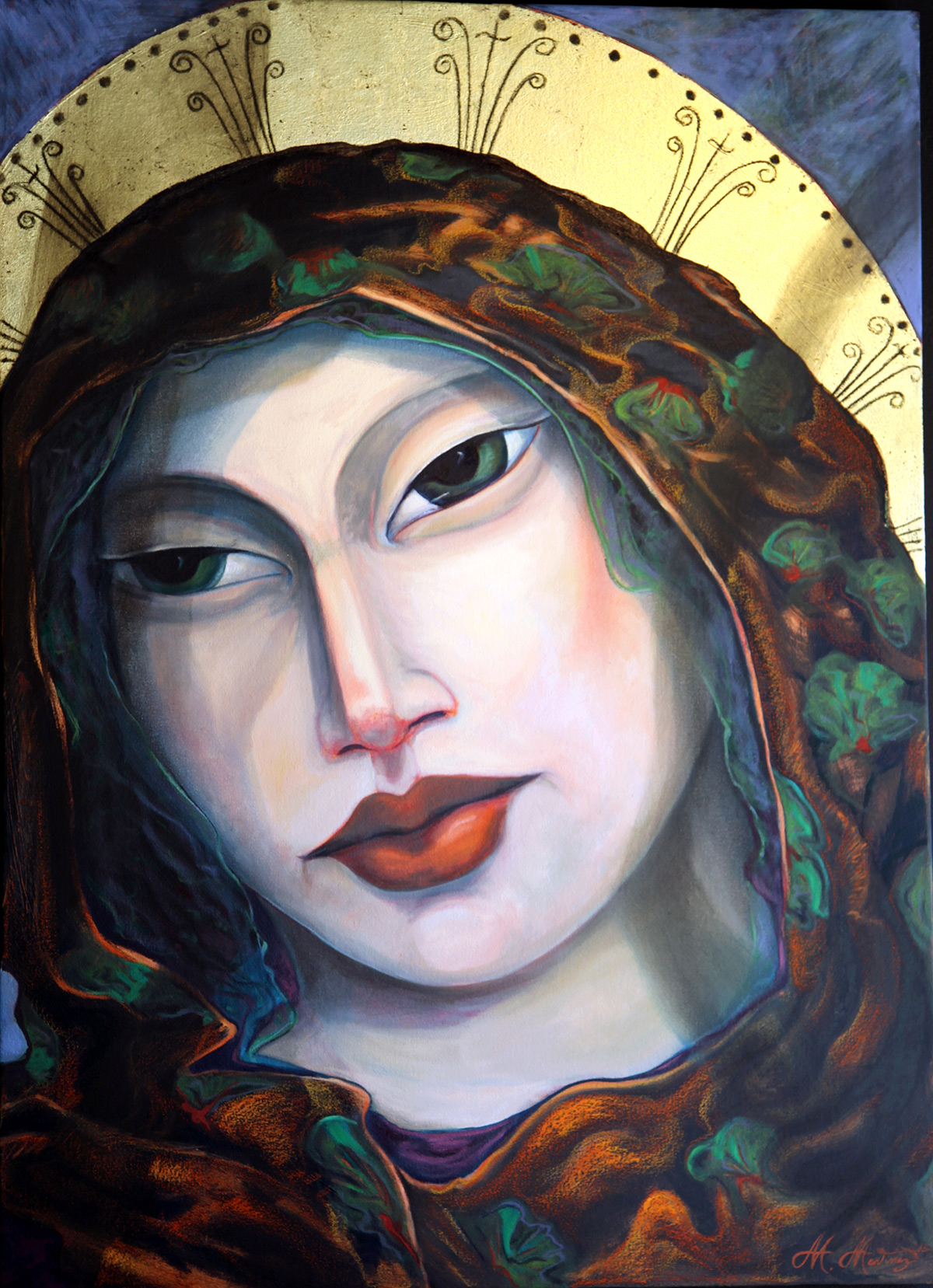
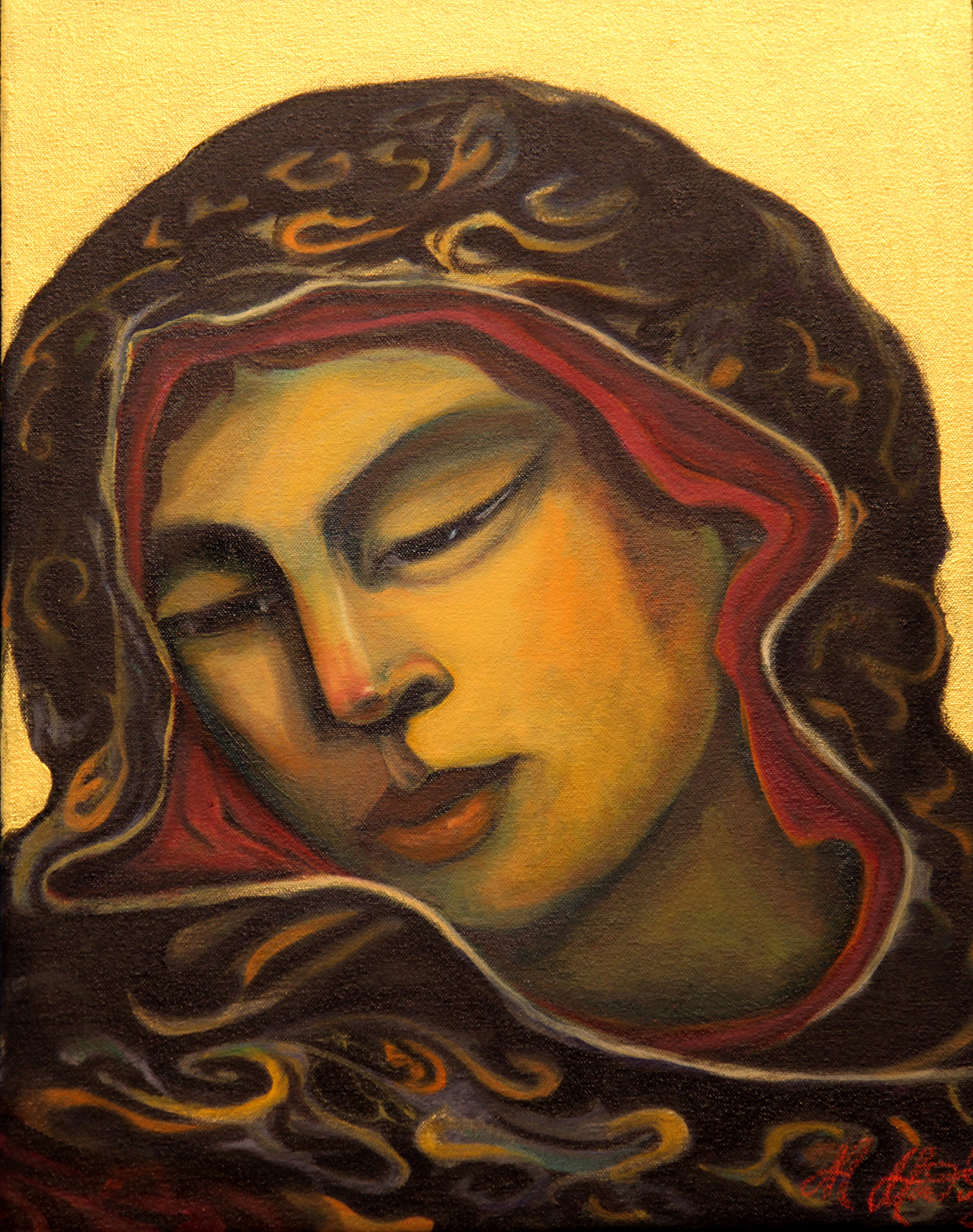
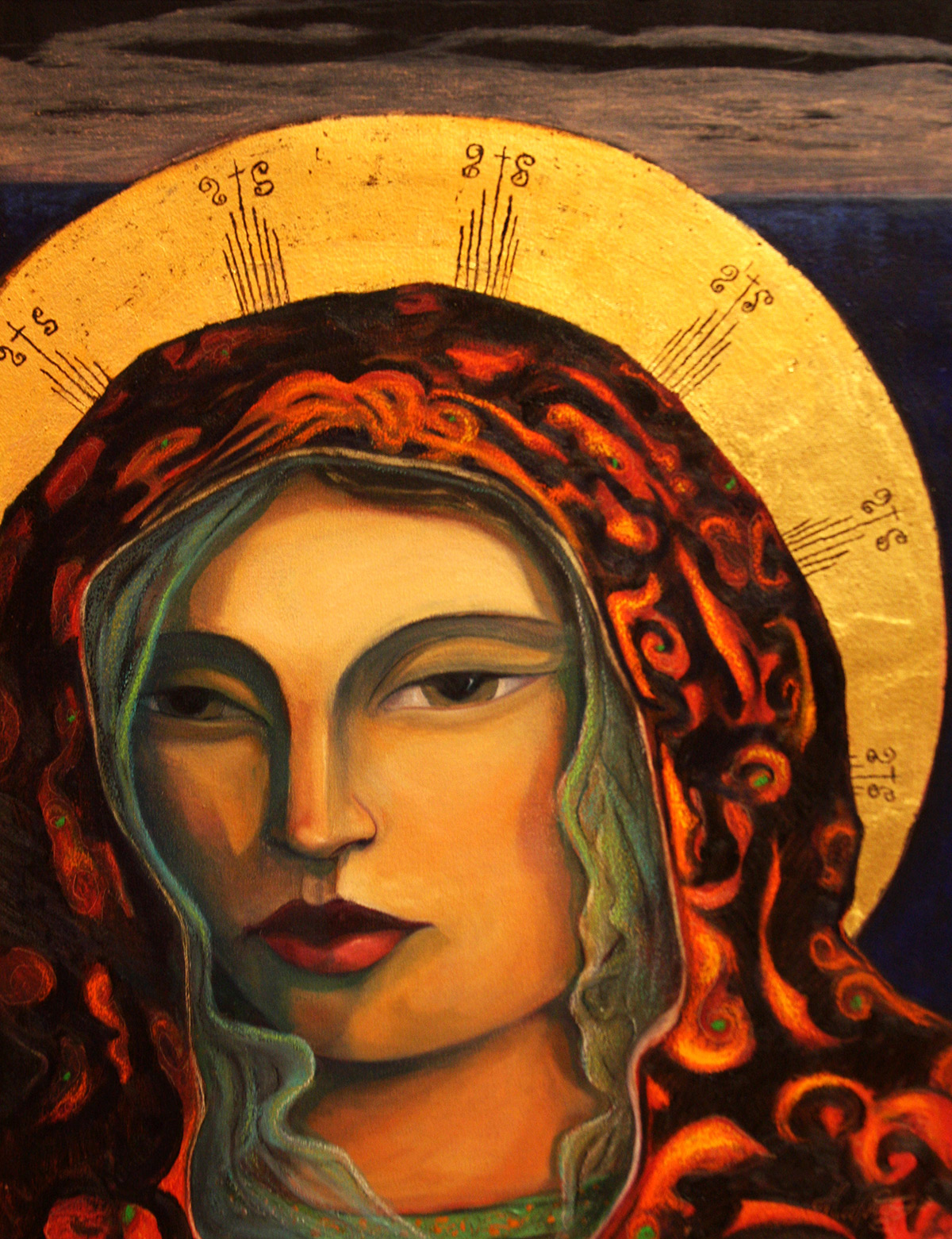
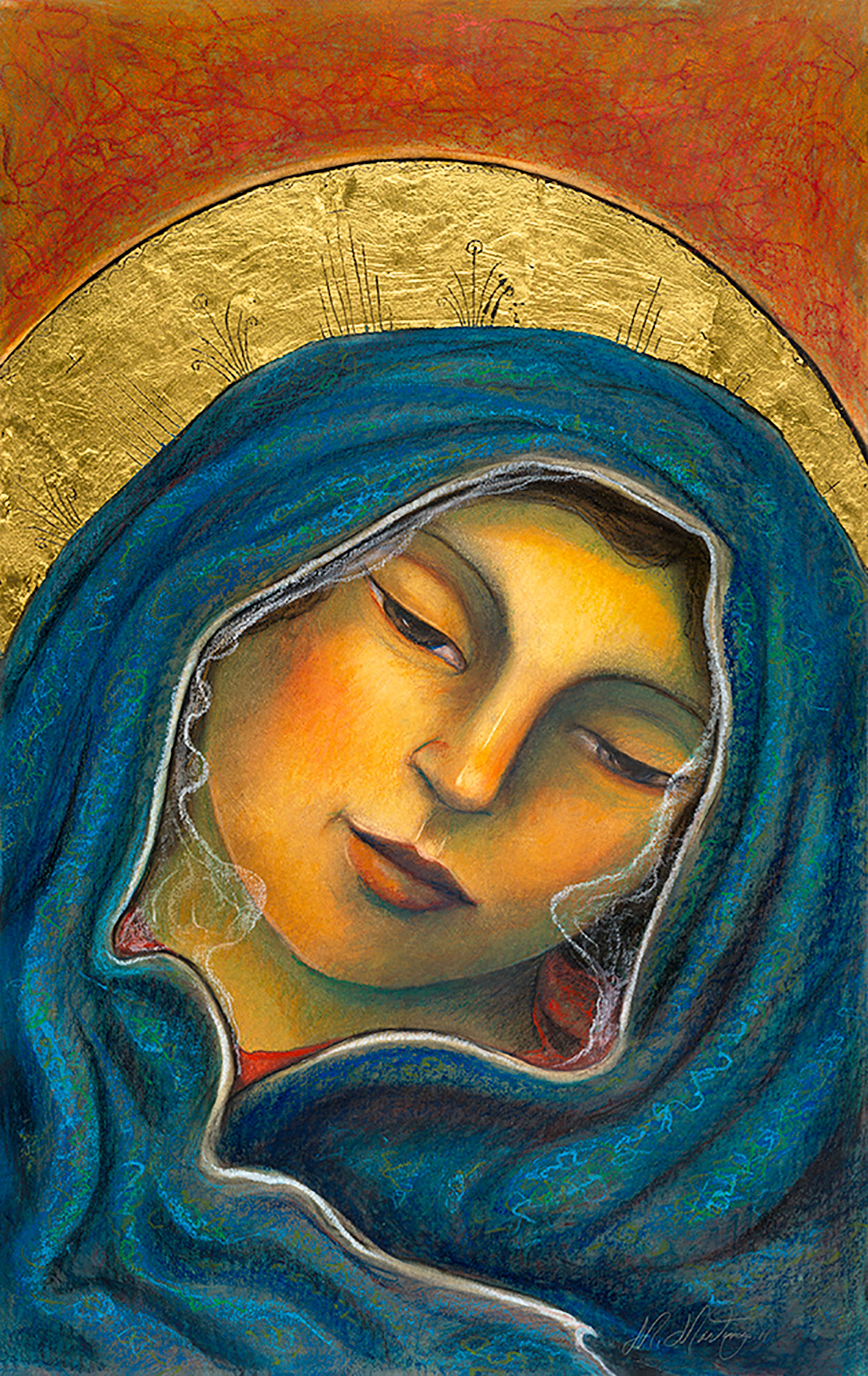
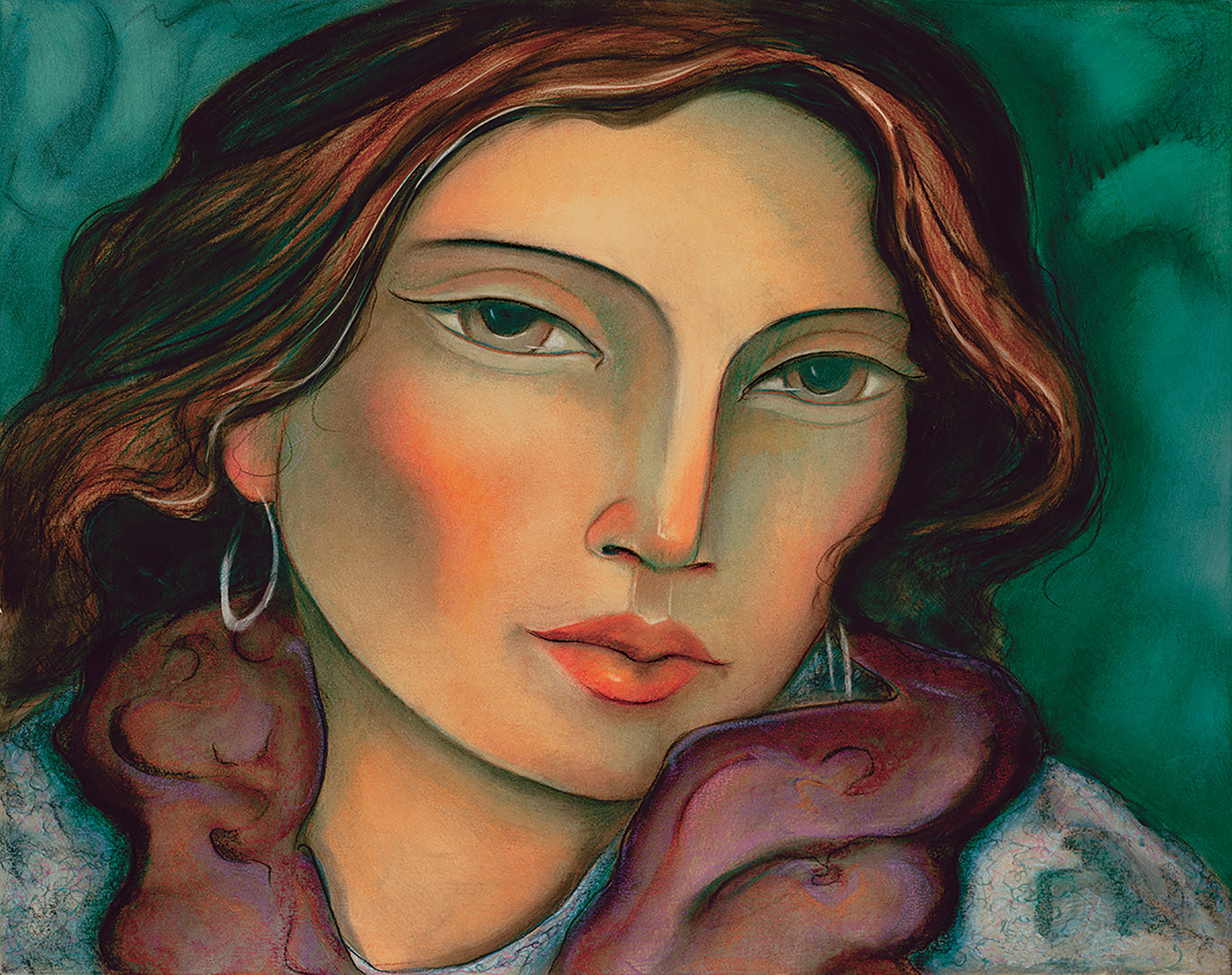
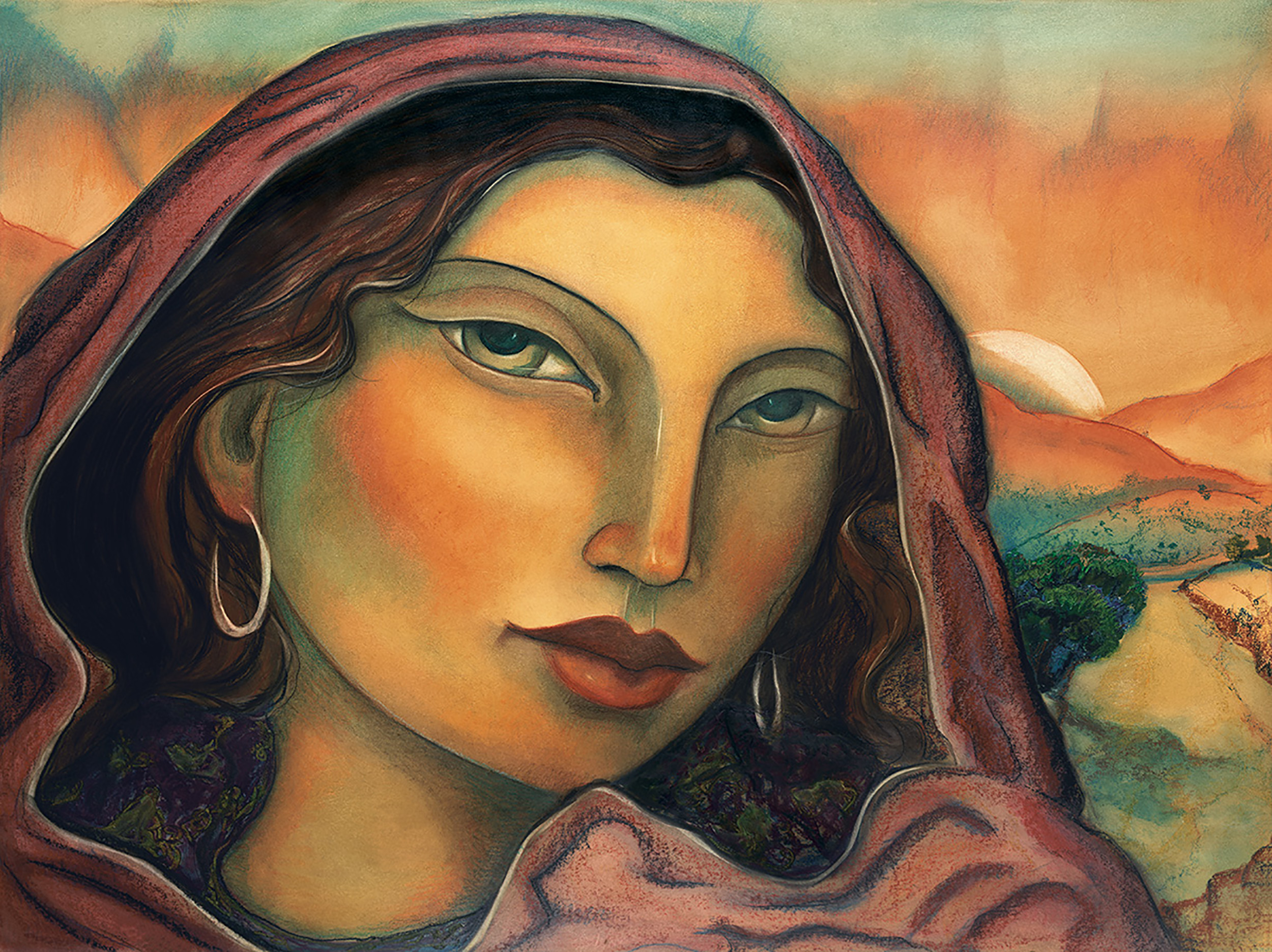
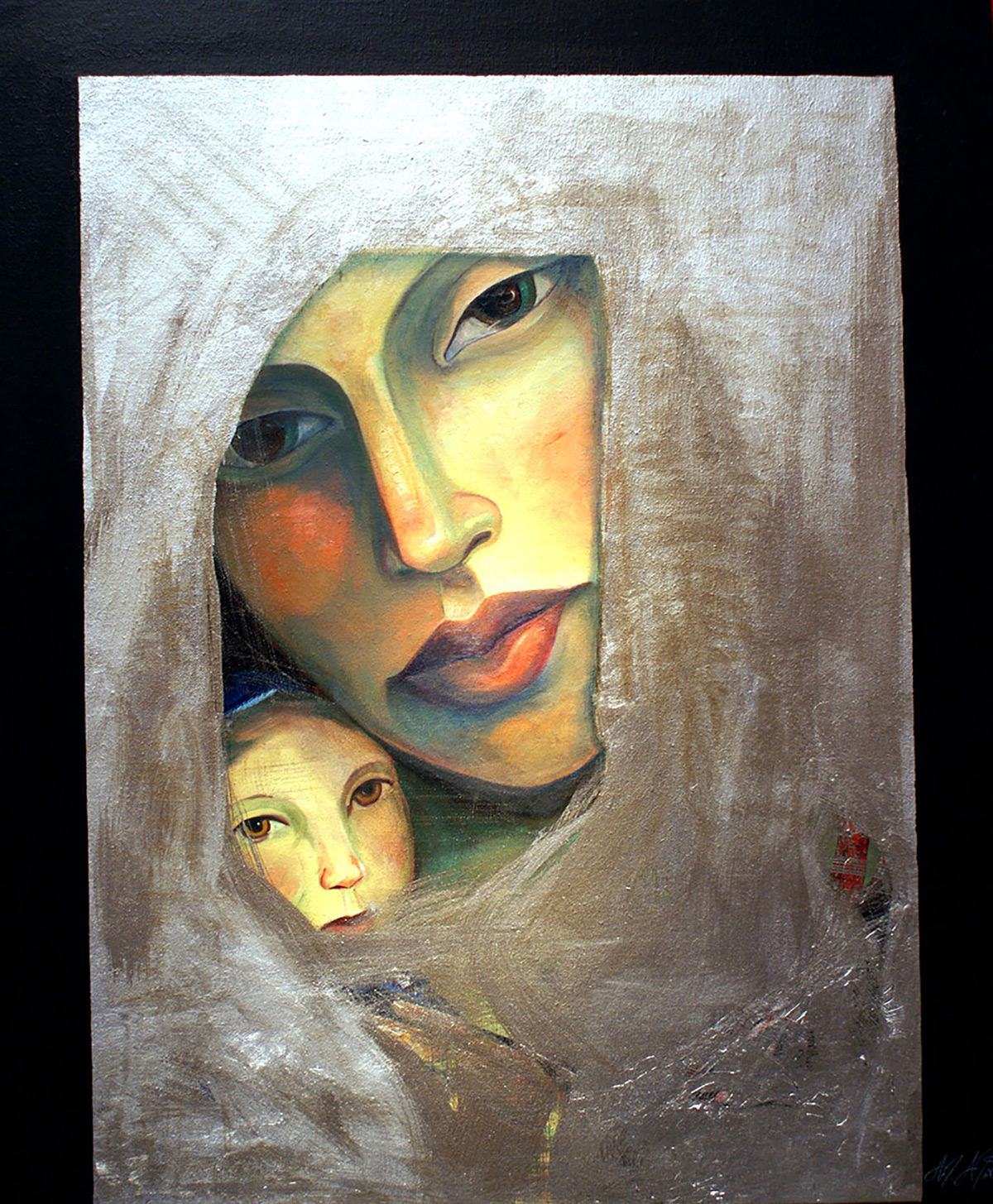
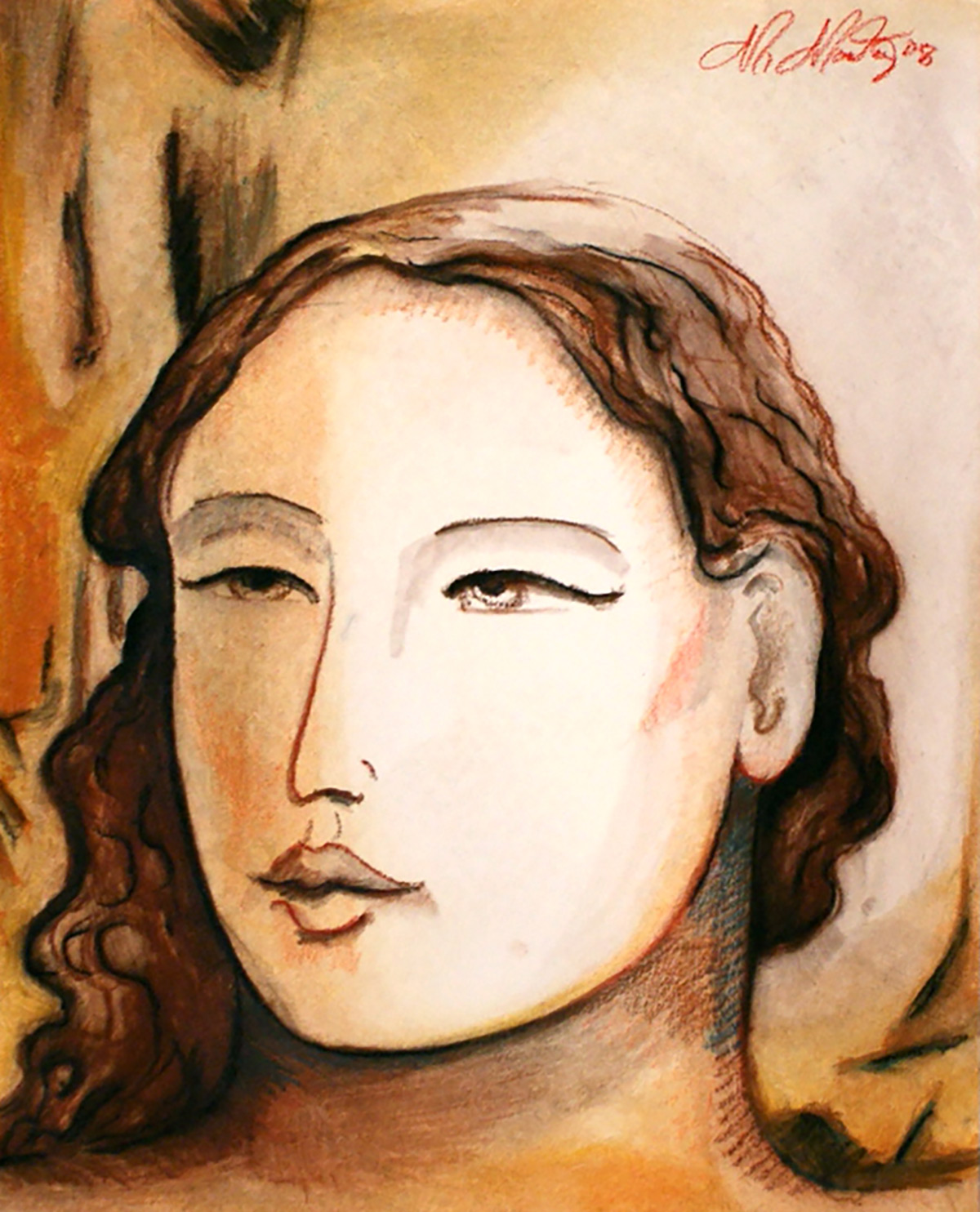
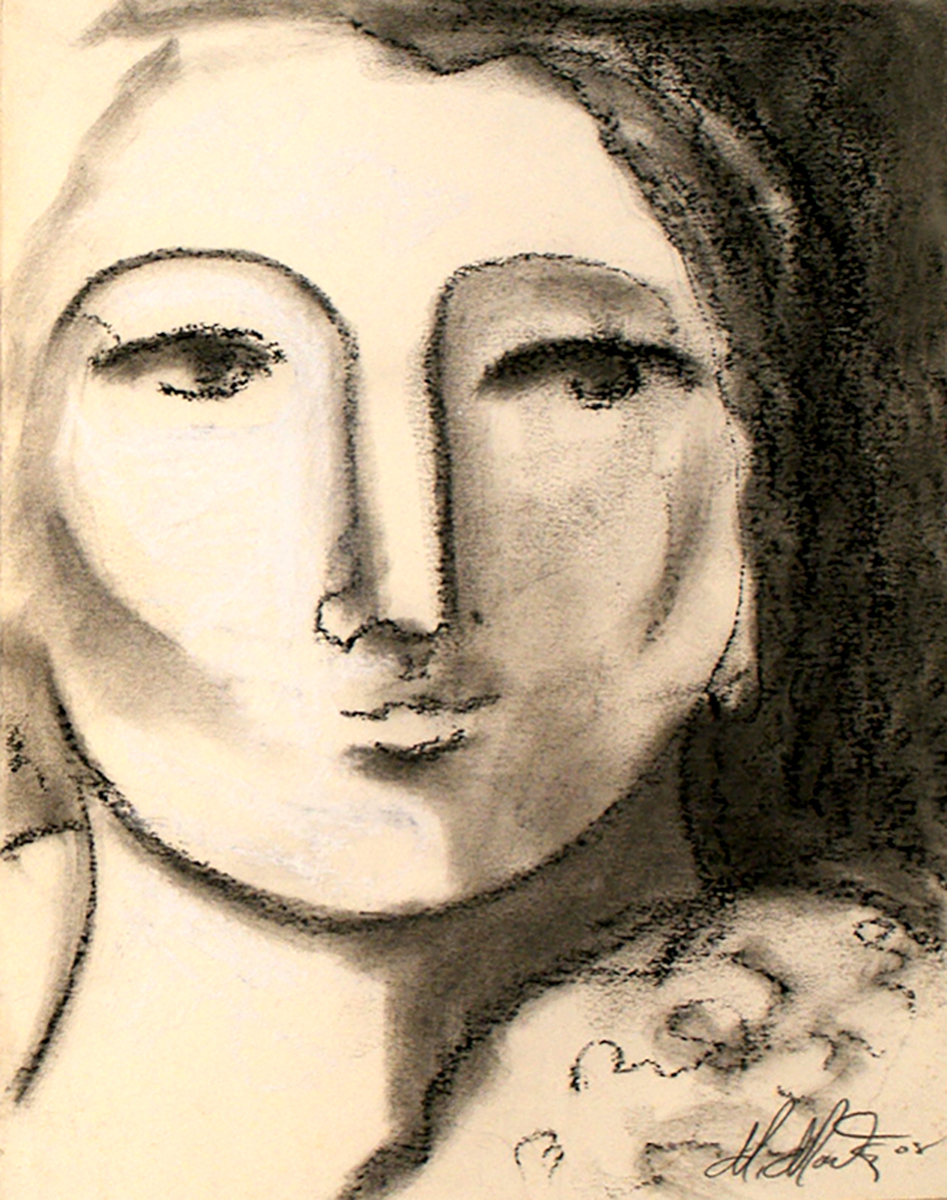
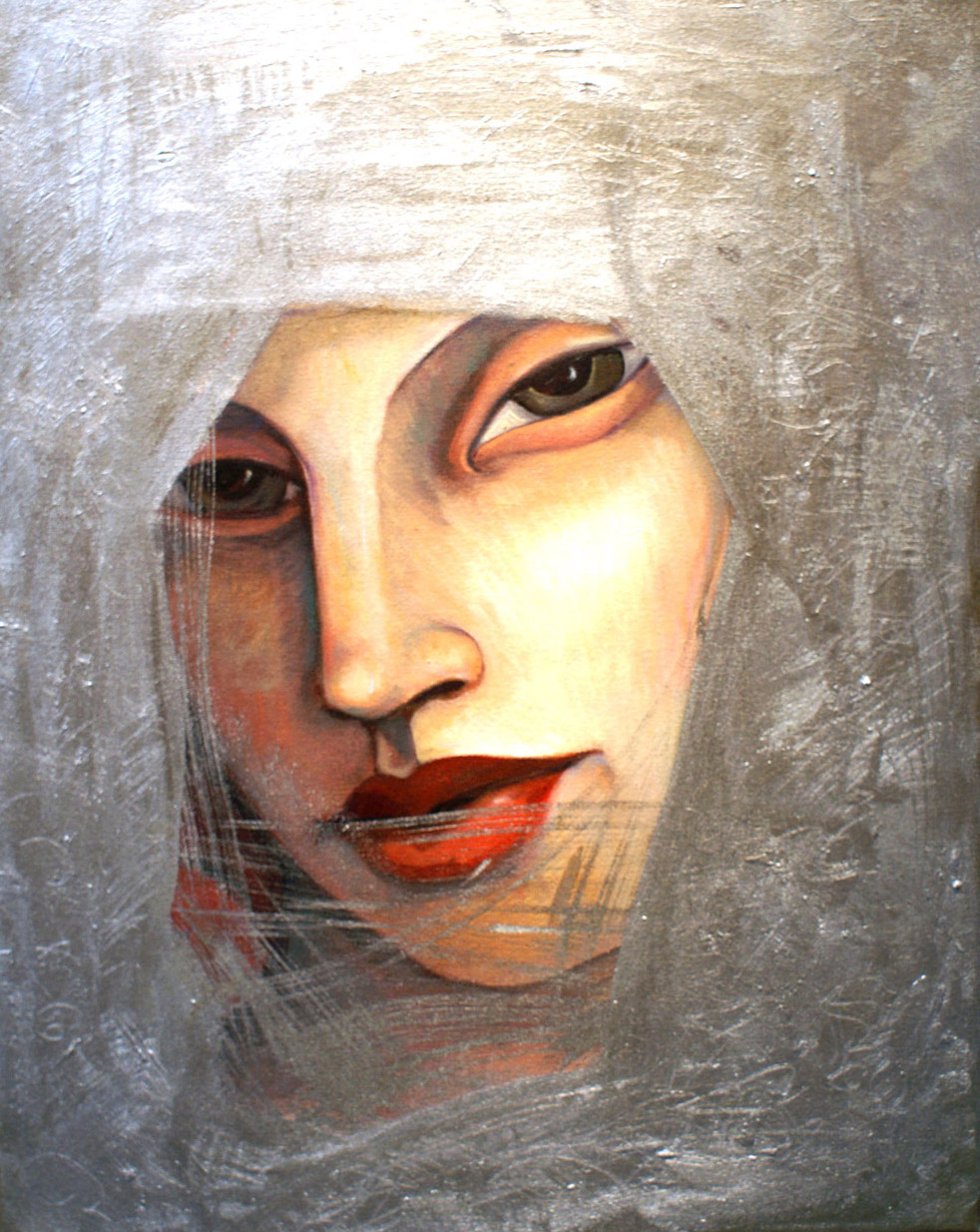
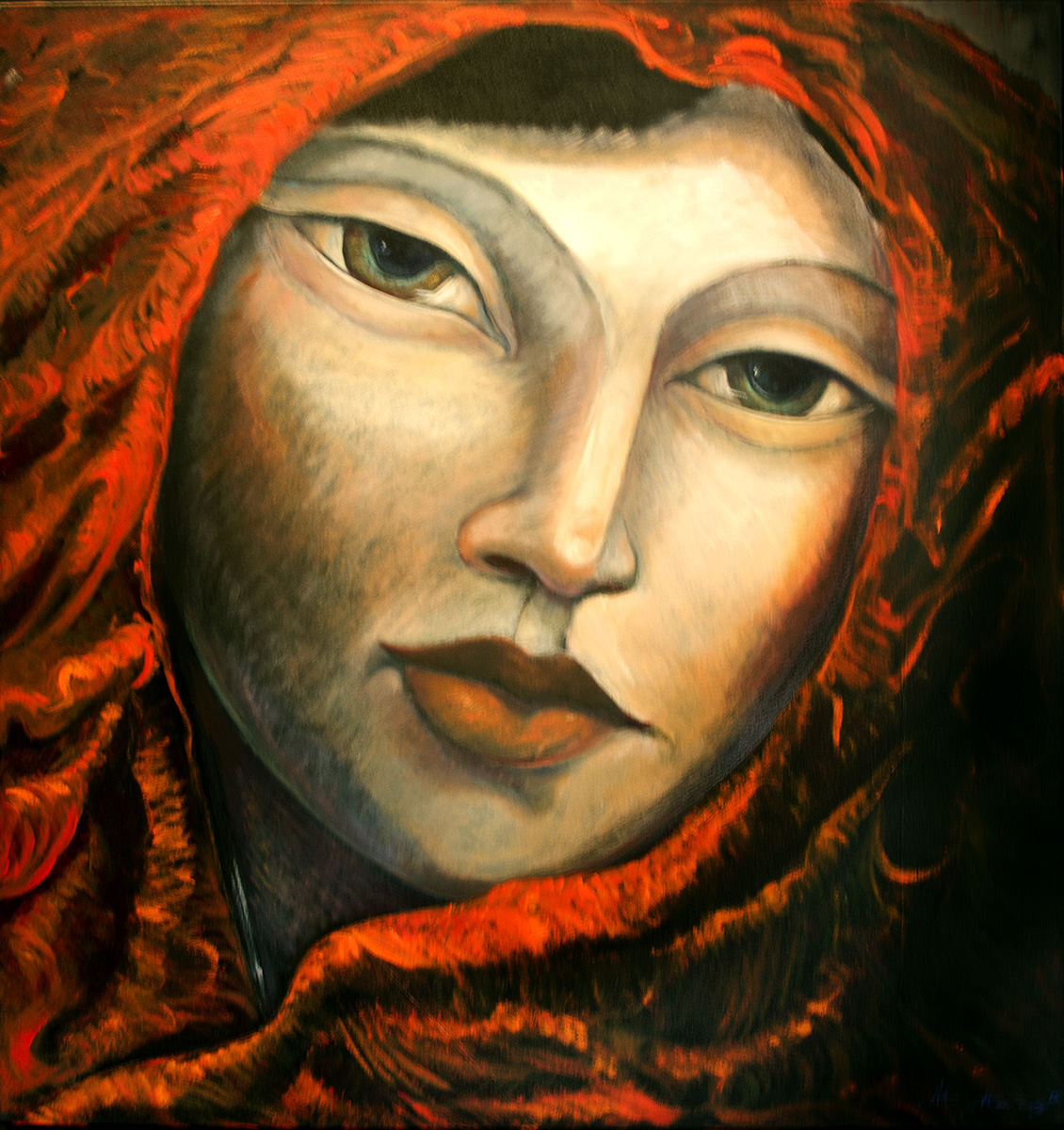
Miguel Martinez shares the secret vanities and exalted strengths of
the women he paints.
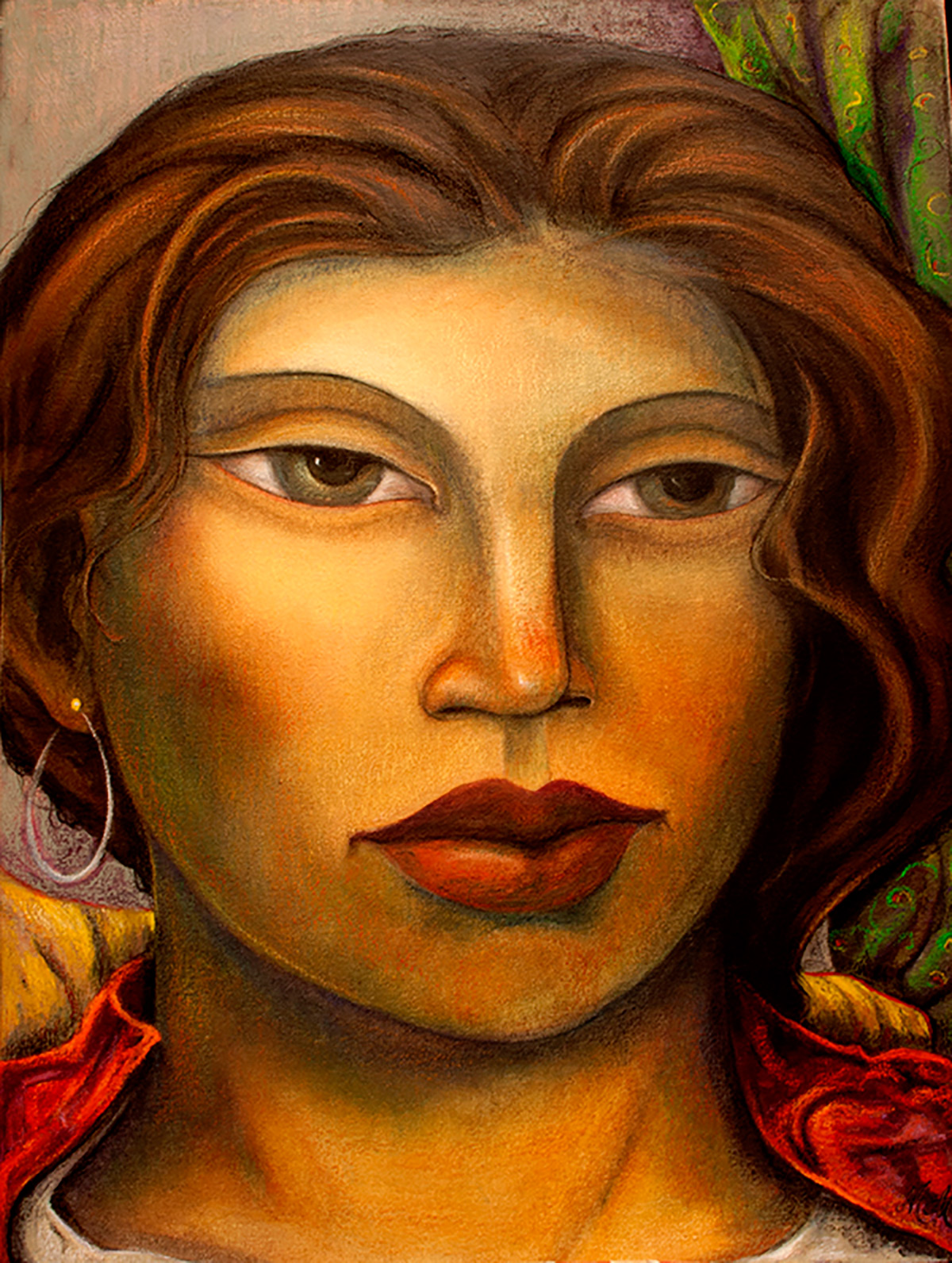
Angel, Carmen, Anna Maria, Florencita, Eva, Tina, Eva Maria, Isabella,
Mariela, Deloritathe poetry of women flow from the brush of master
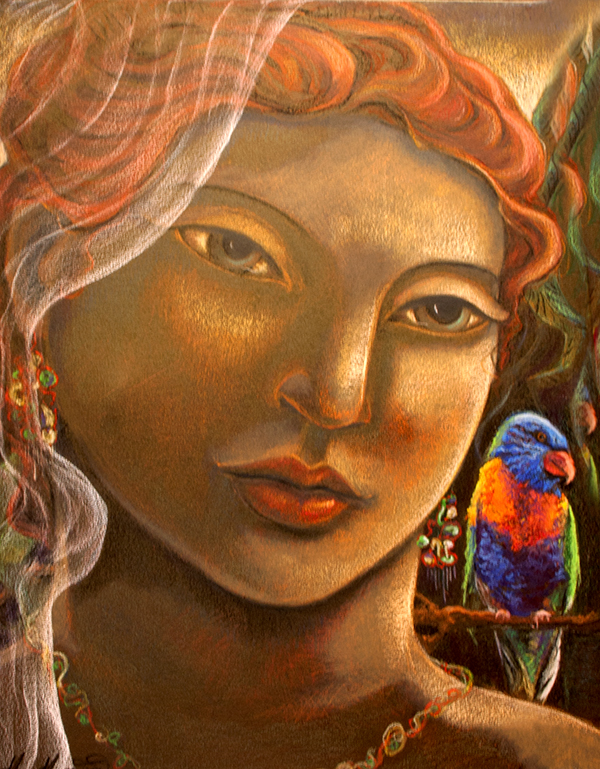
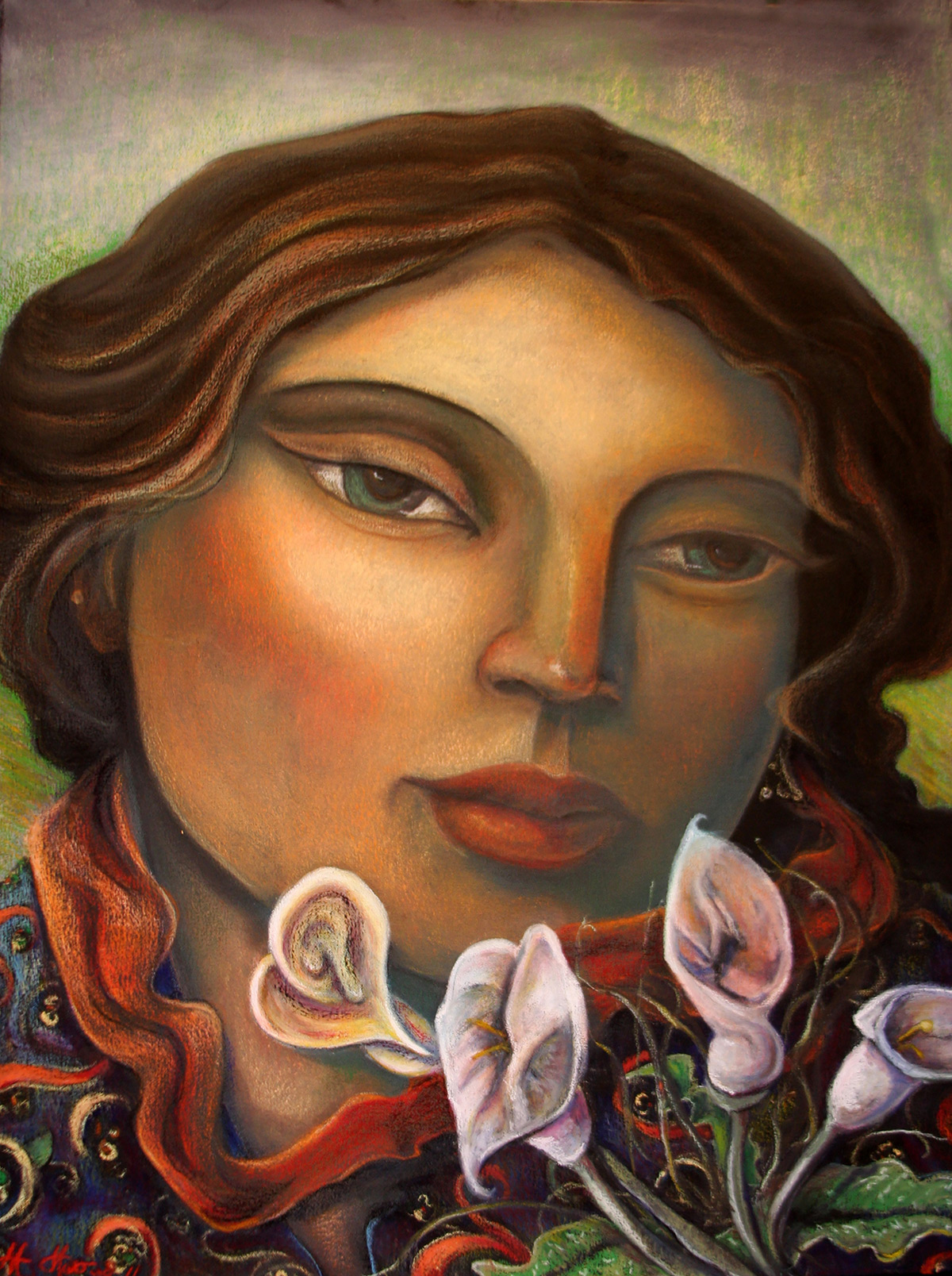
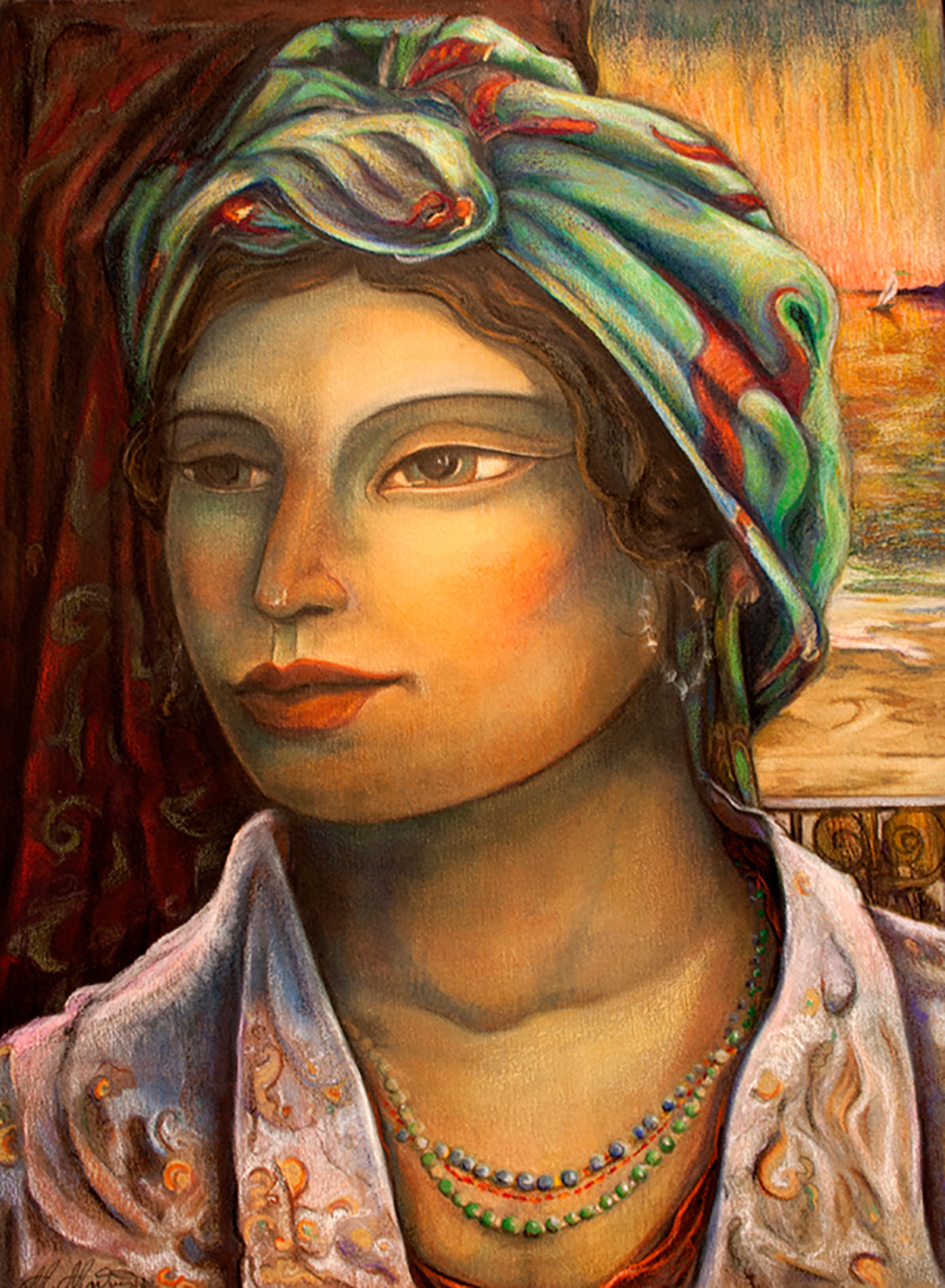
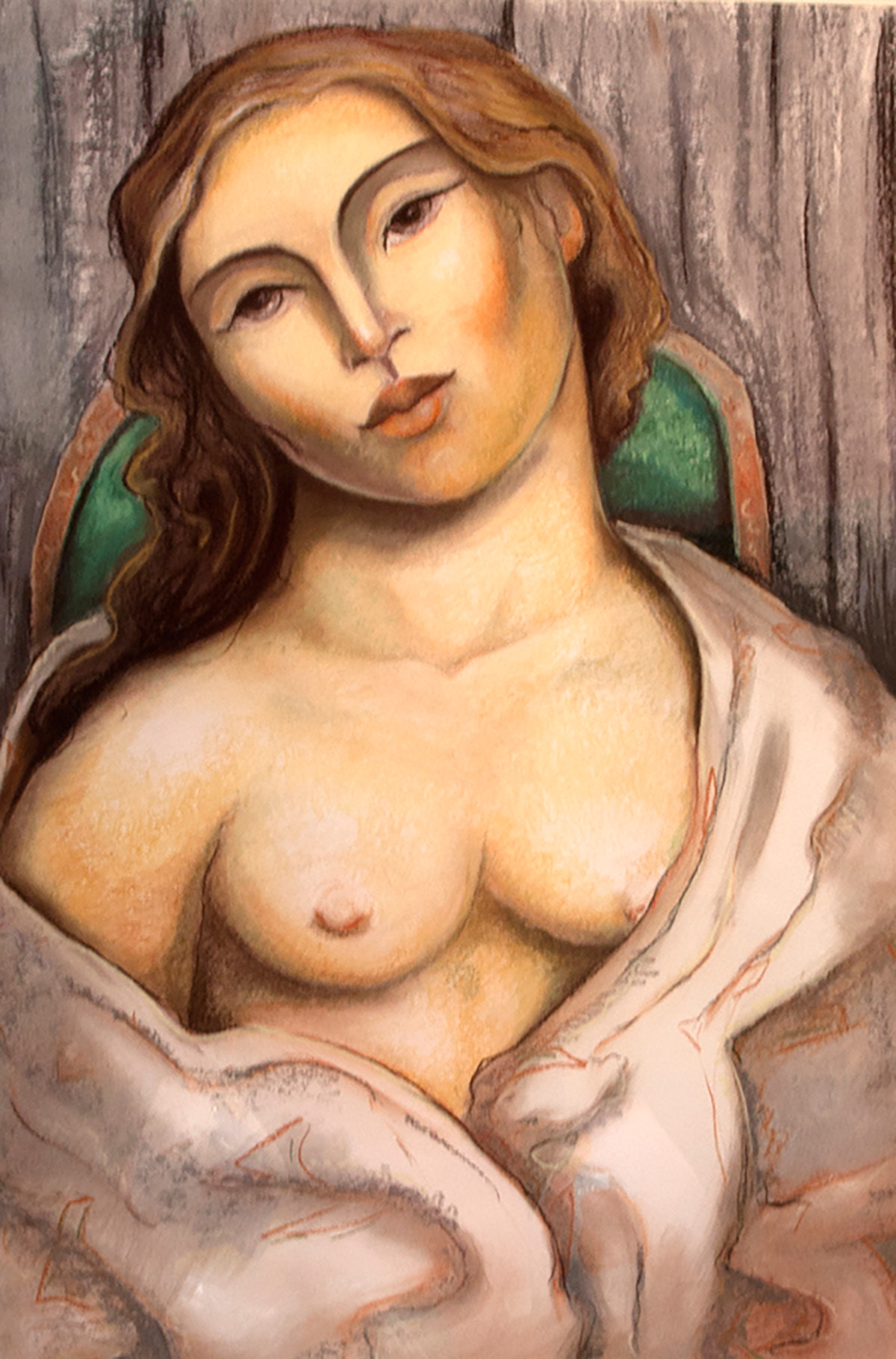
painter Miguel Martinez like the songs of a bard. Martinez has revealed
in canvas after canvas the secret vanities and exalted strengths of
the women of the world secrets and strengths reserved for a lover's
intimacy or, as with Martinez, a divination from the artist's hand.
Like the seduction of fine wine and the beauty of dusk, the women he
has painted over the last quarter-century are alluring and irresistible
and exquisite. As they move along the edge of lightness and dark, above
all else, they endure.
"Where else will you find something as strong as a woman?"
Martinez asks. "Her ever changing emotions are right out there
on her face for the whole world to see."
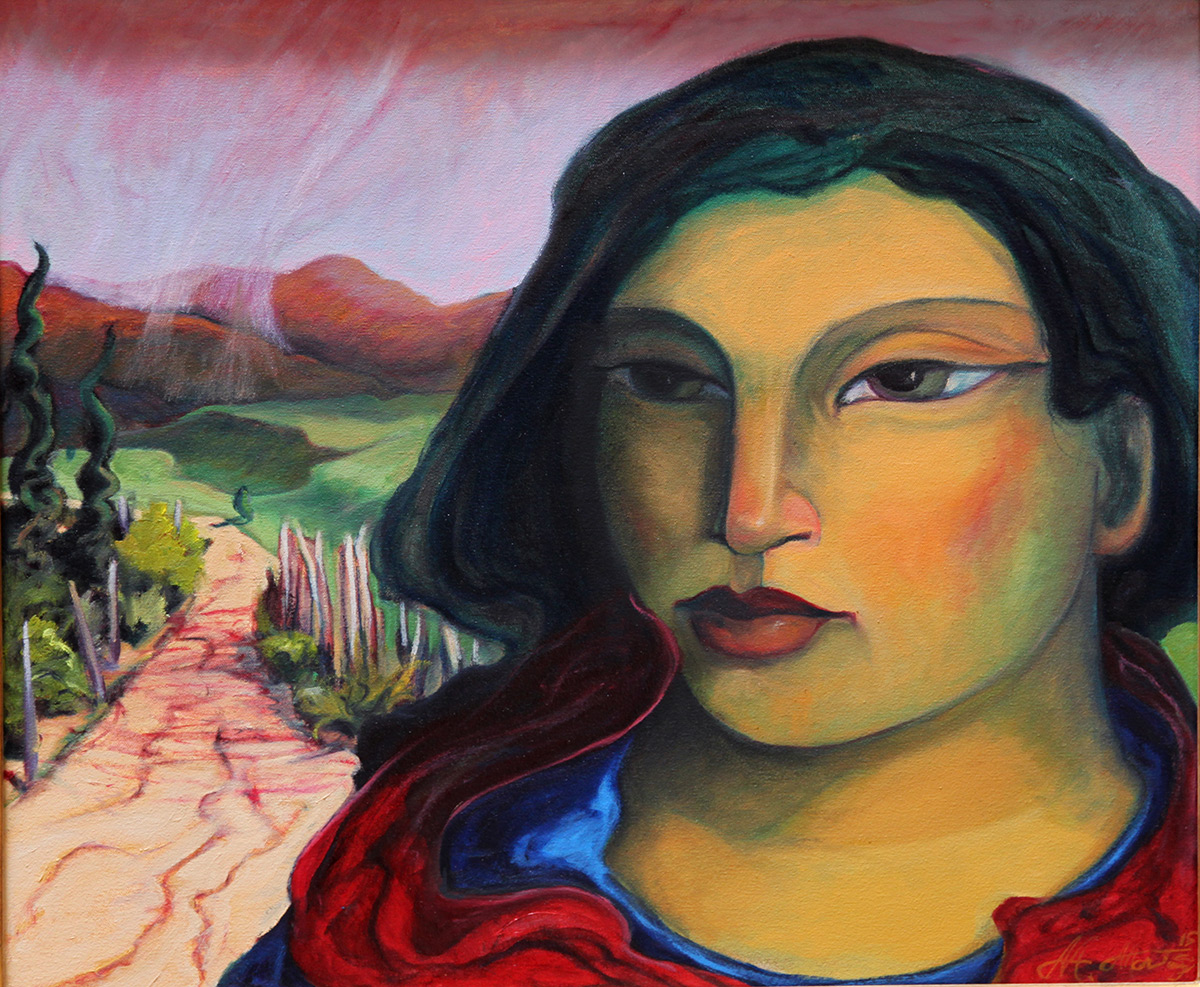
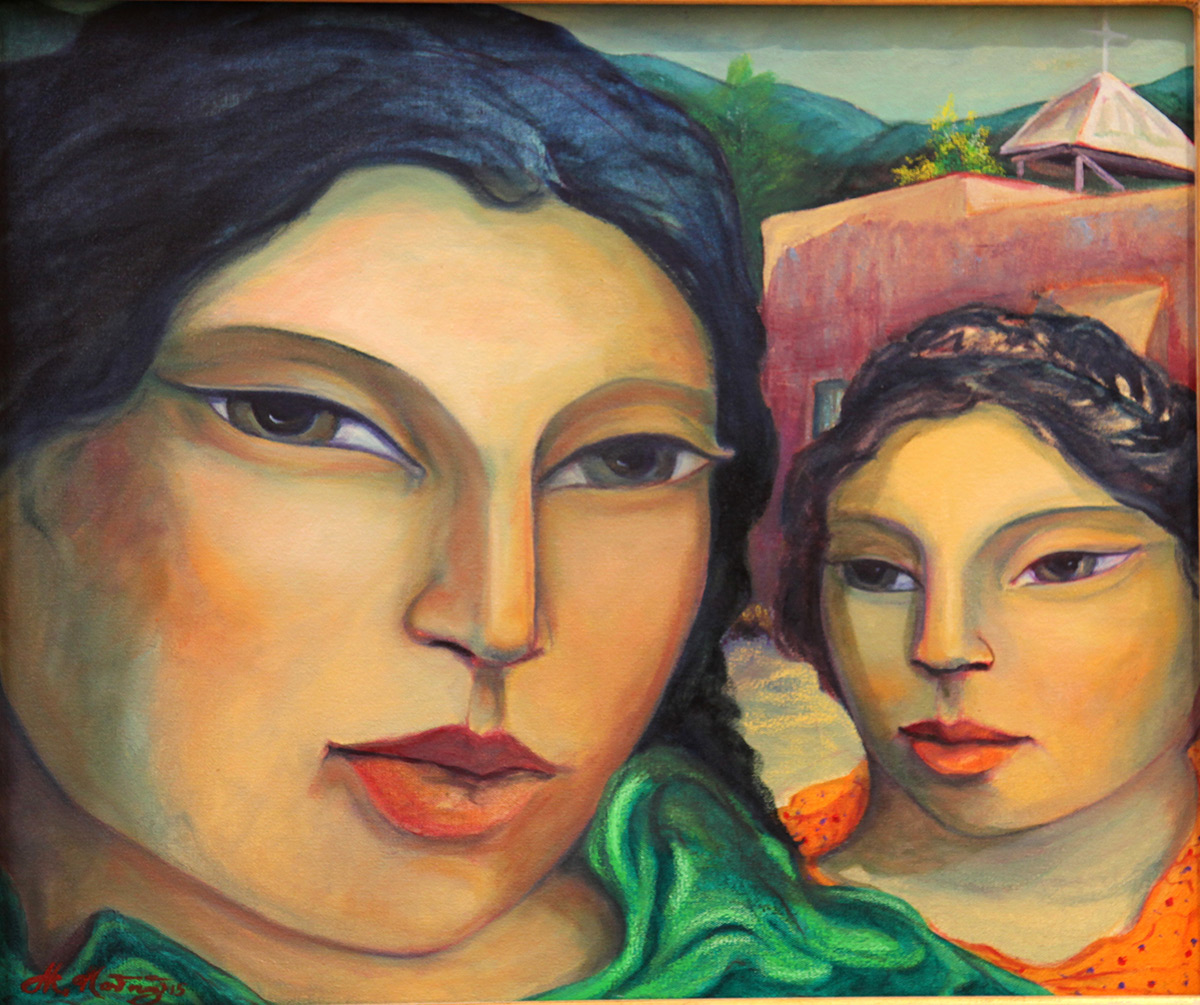
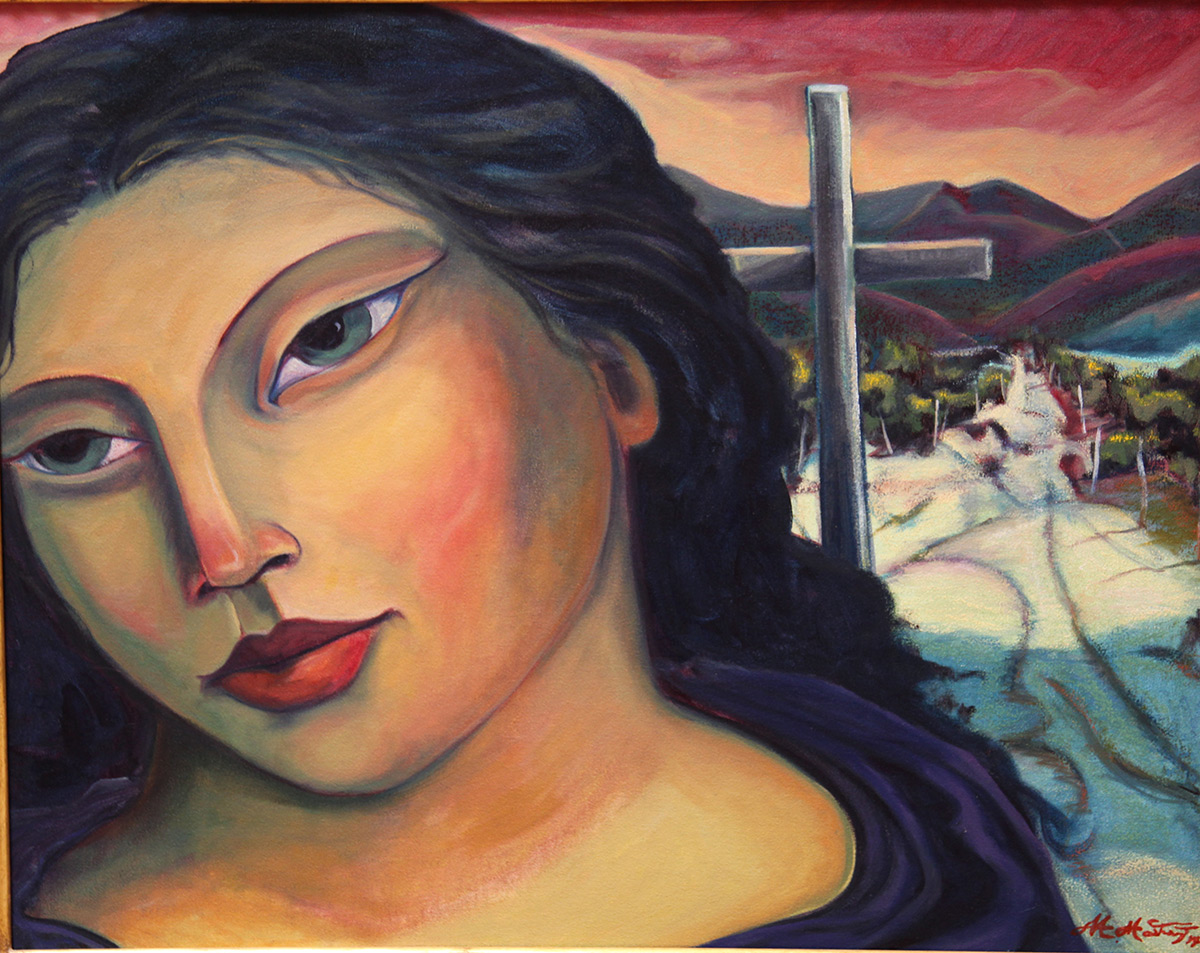
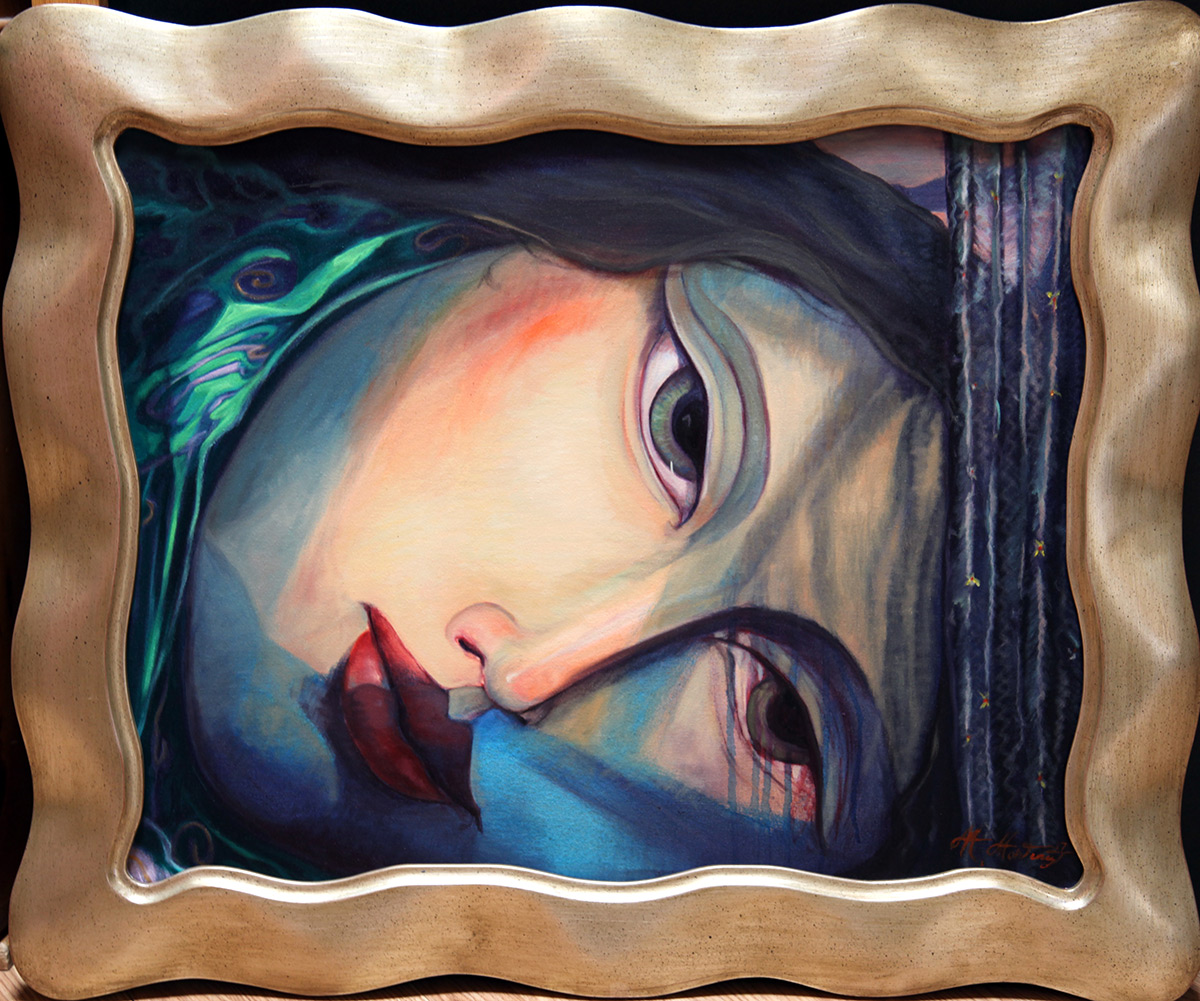
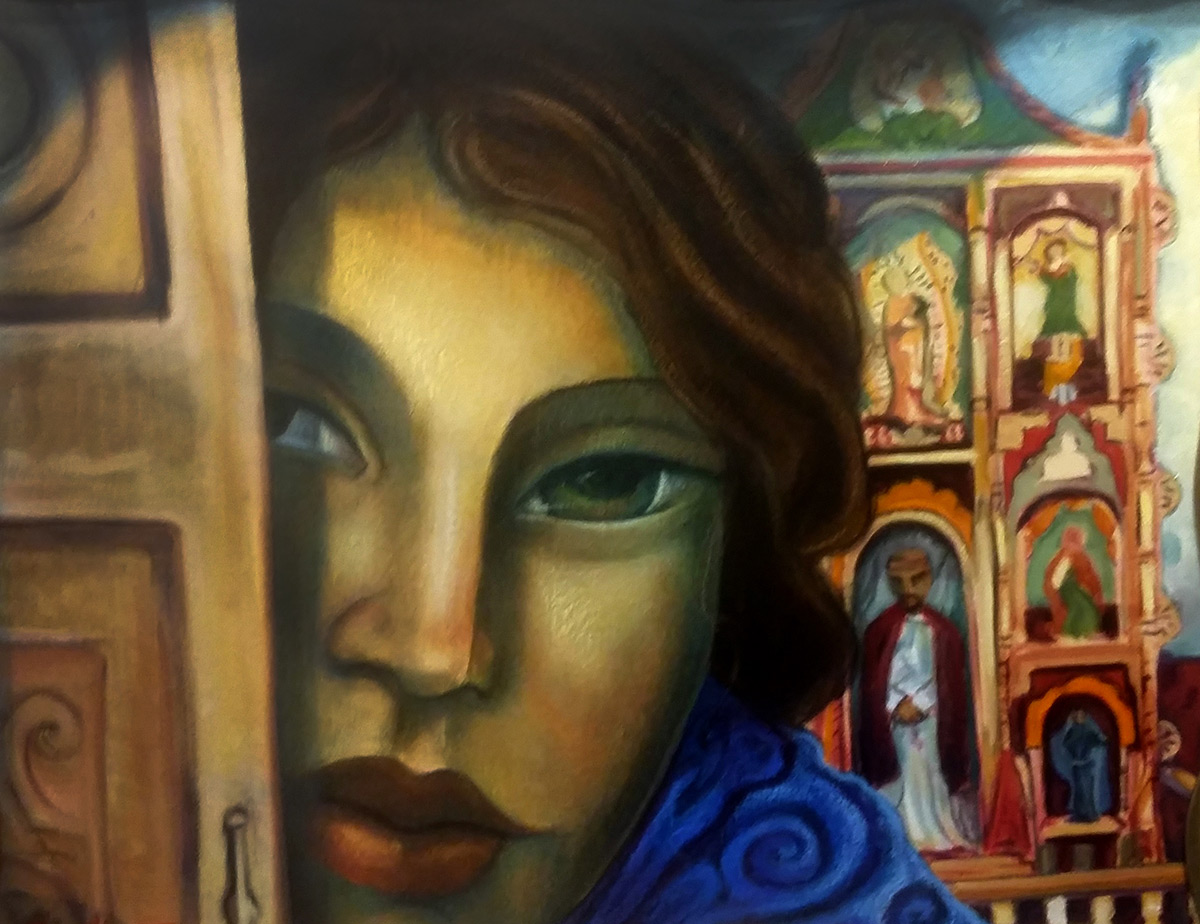
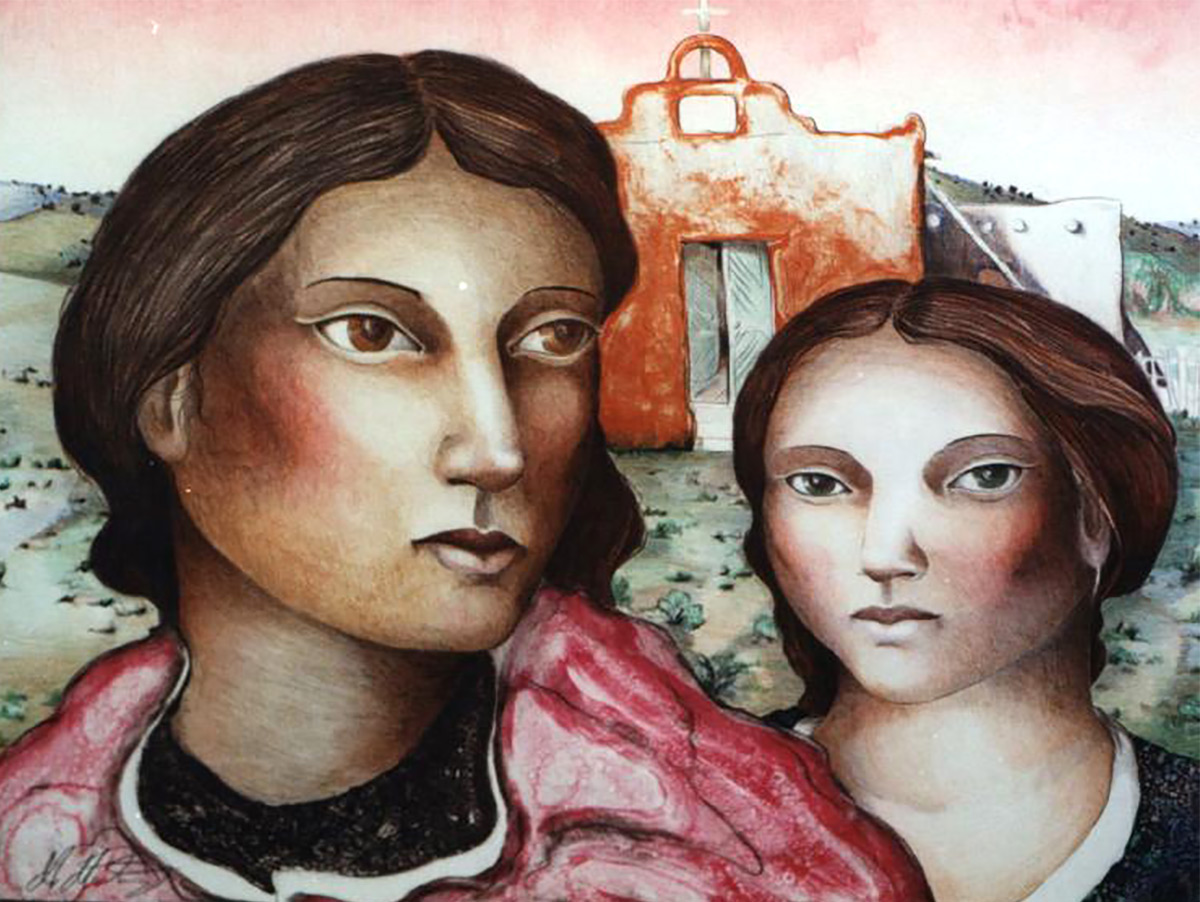
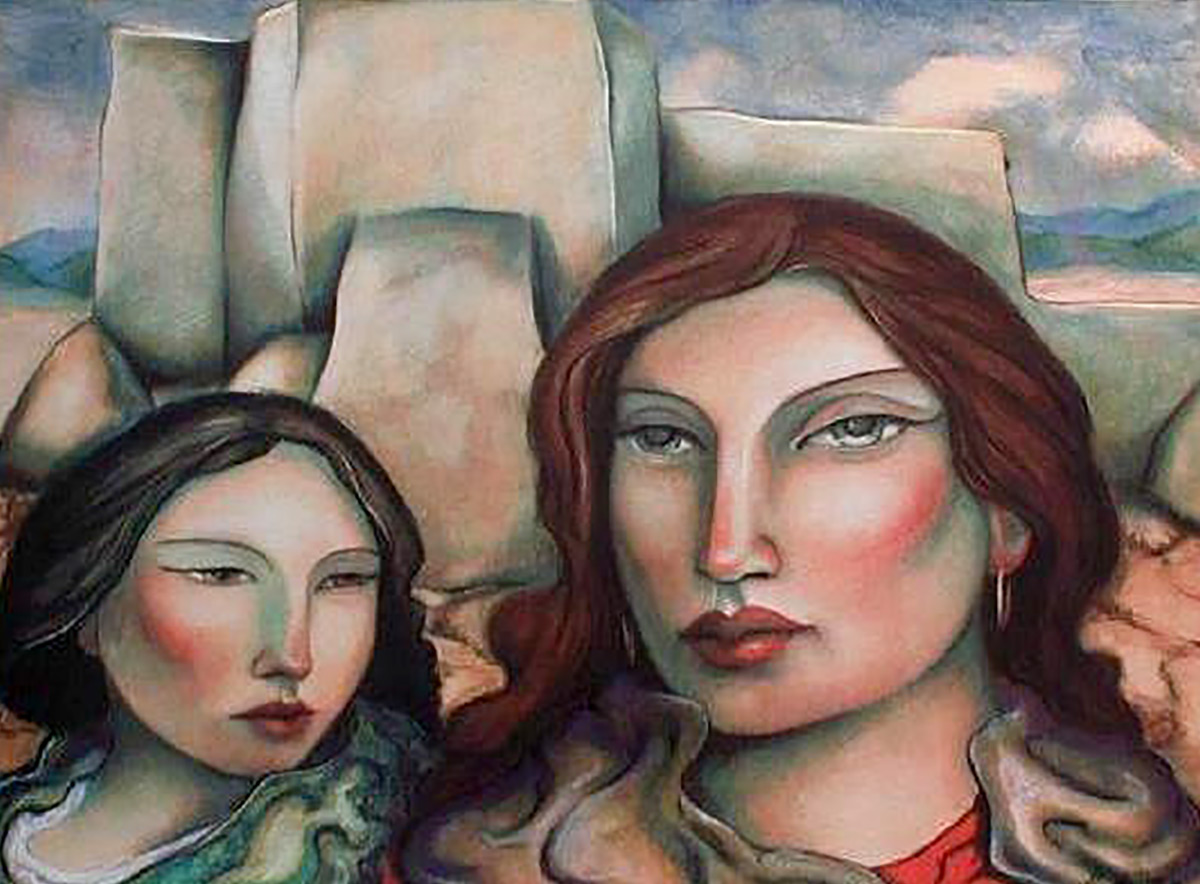
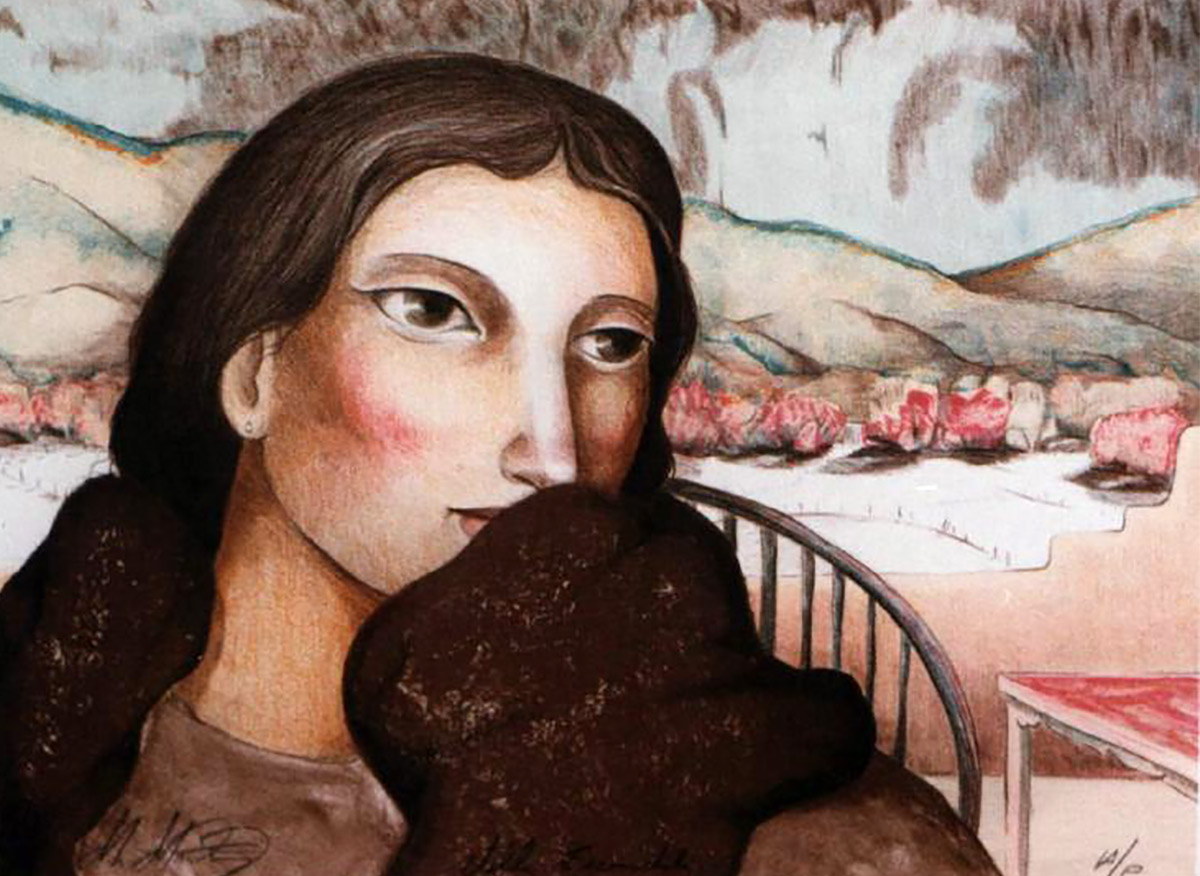
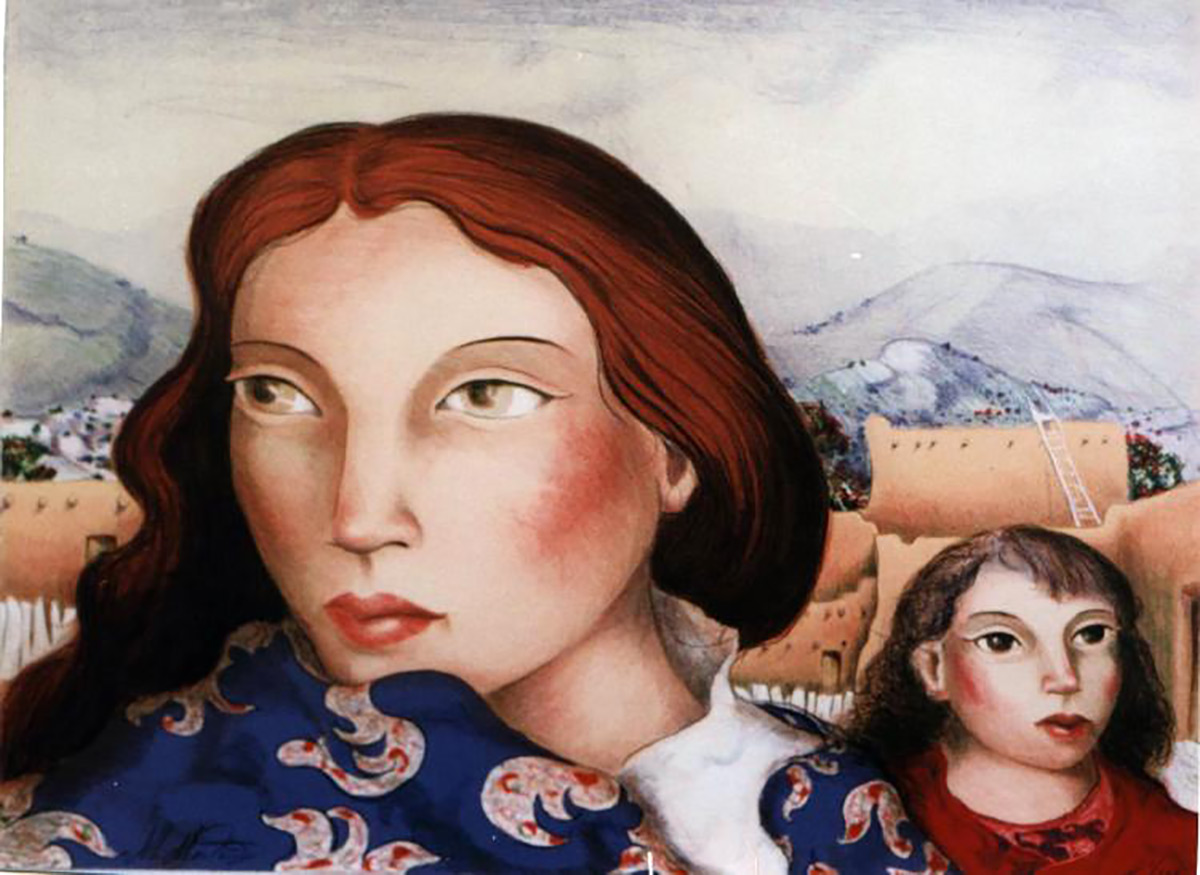
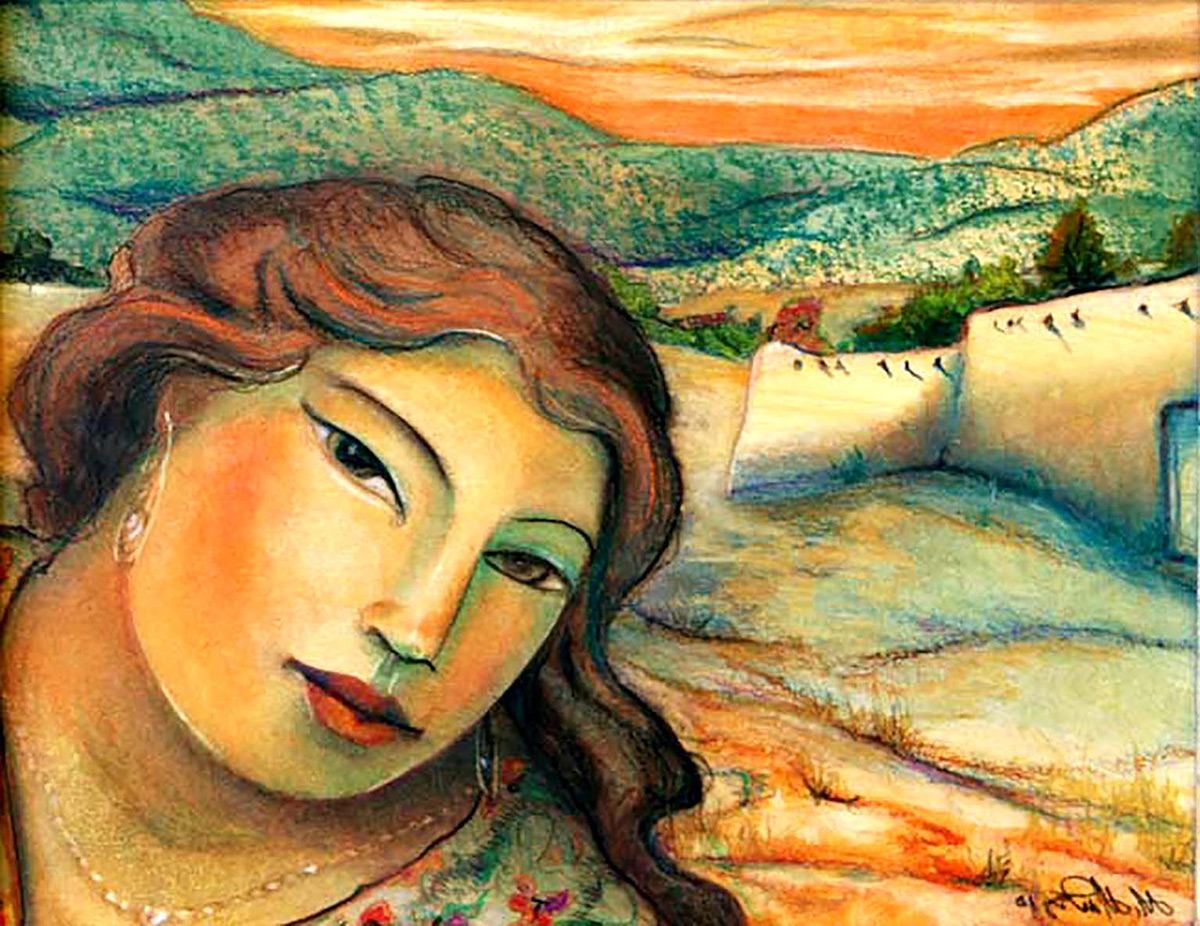
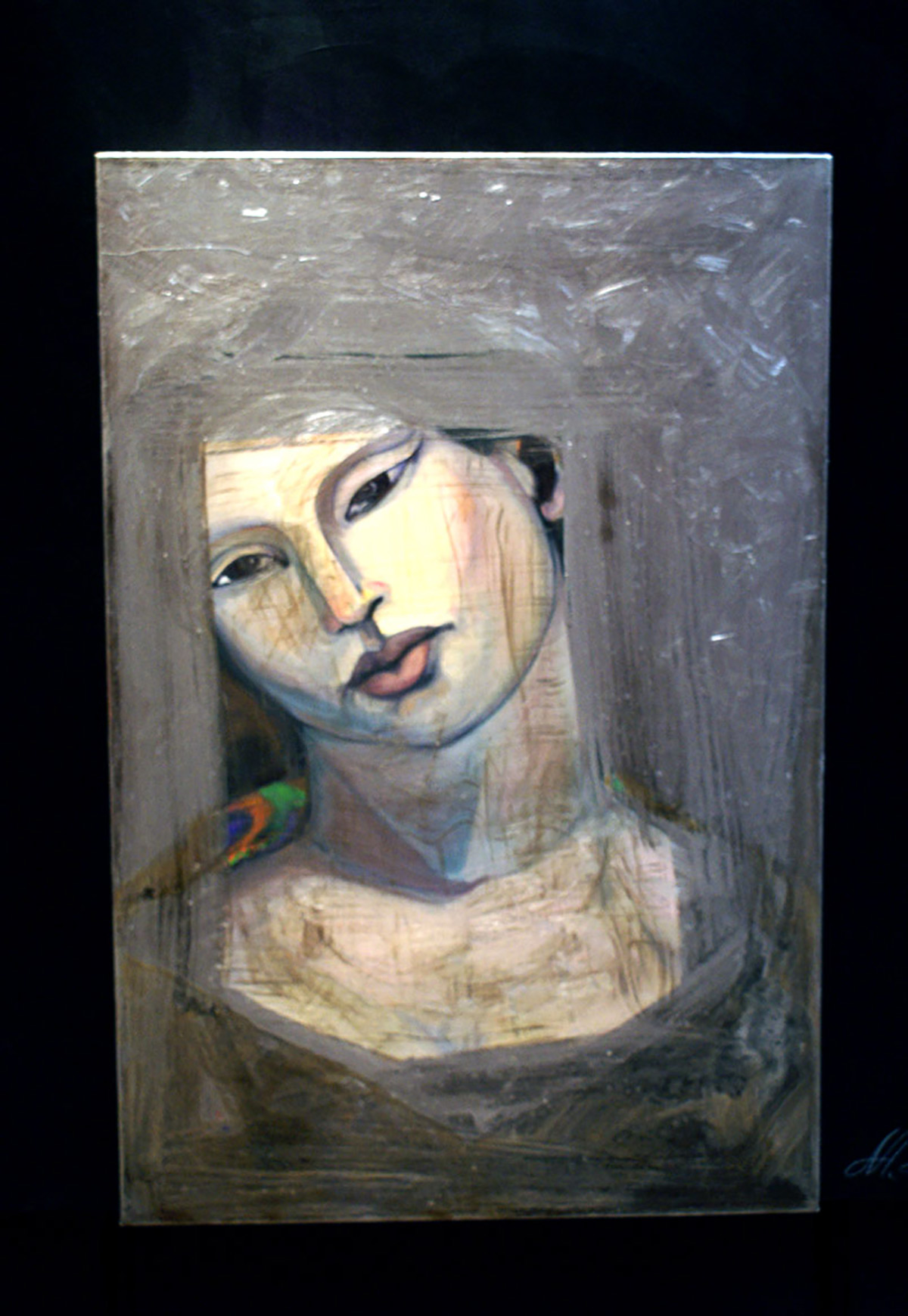
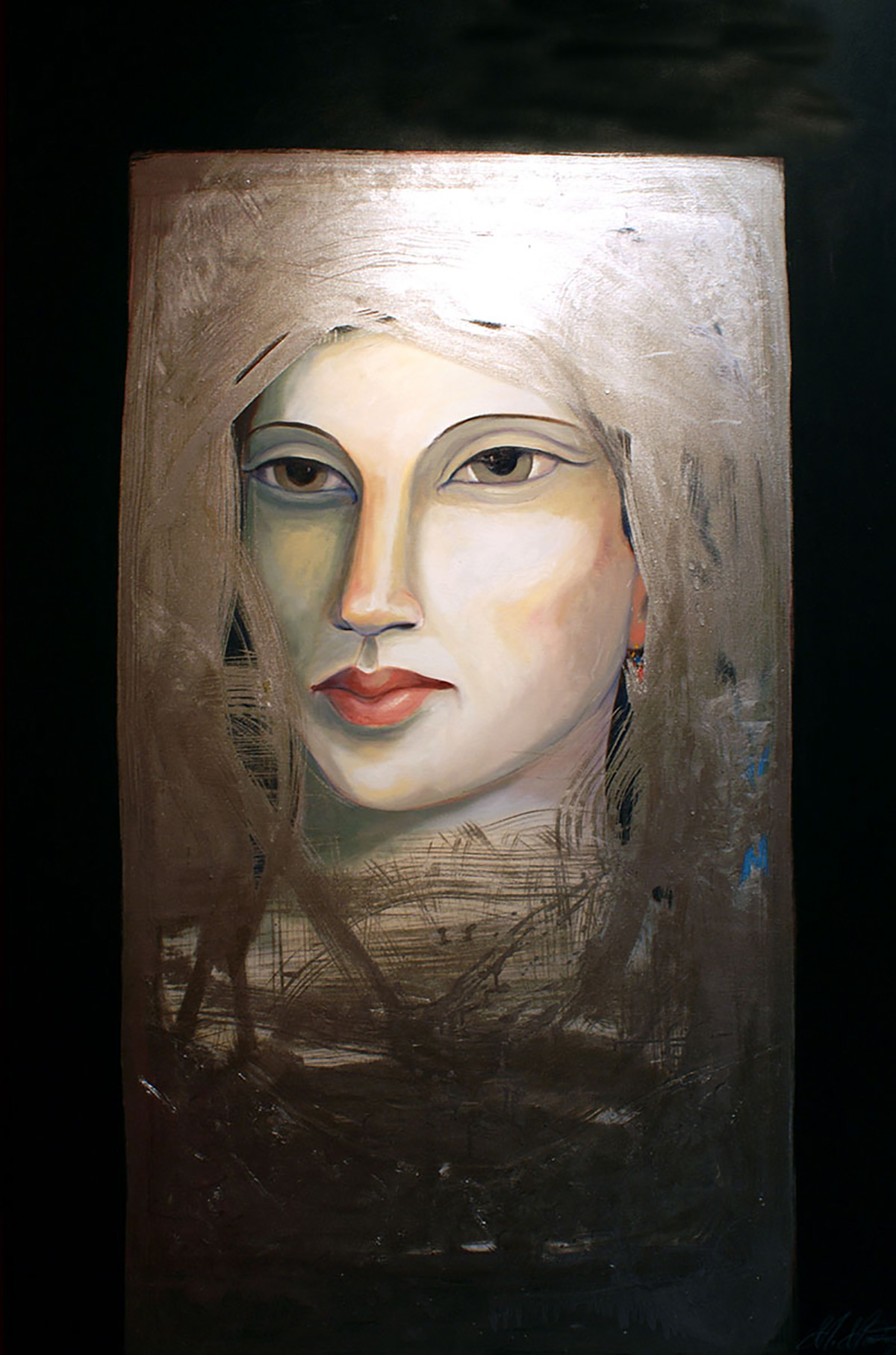
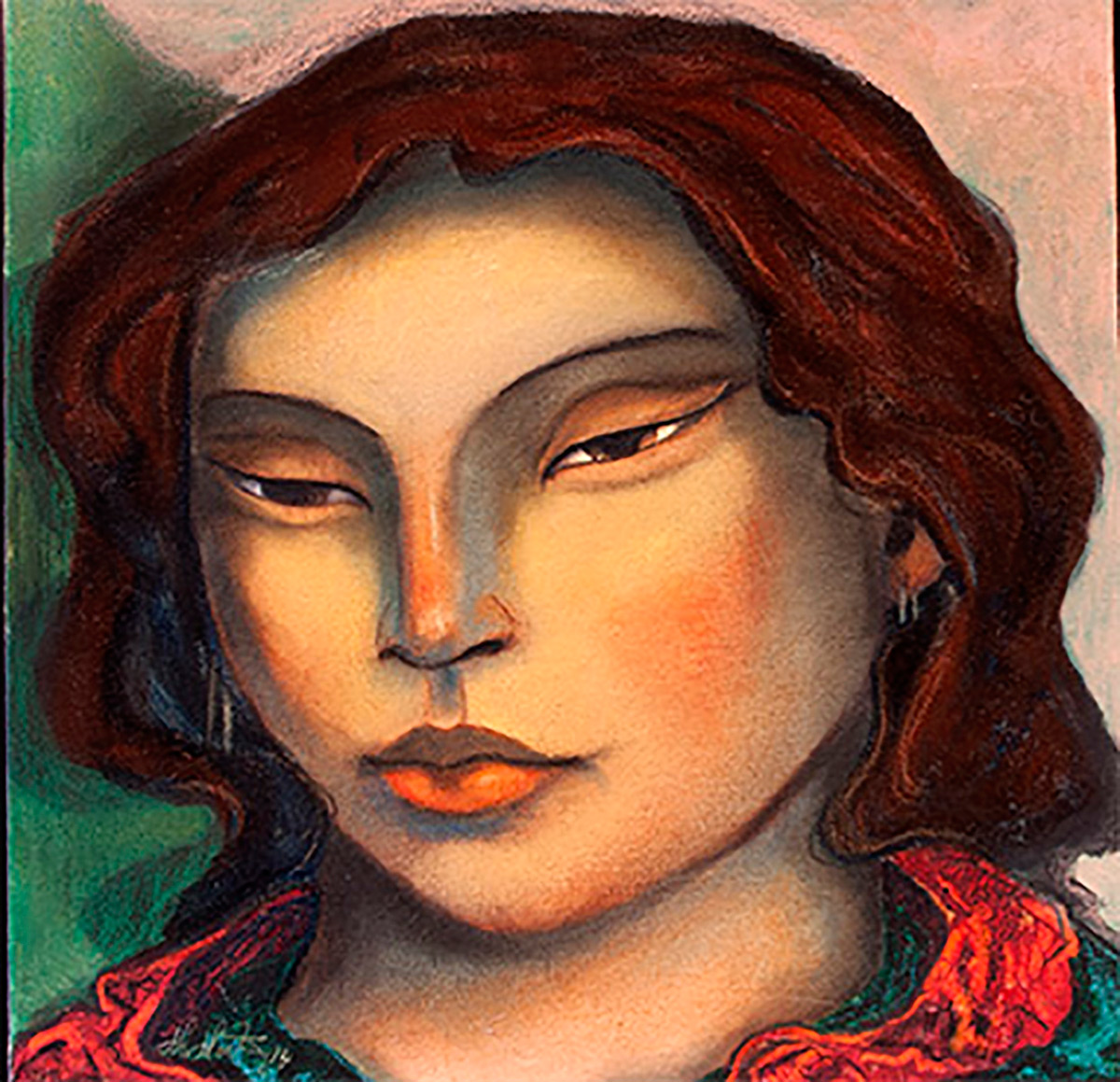
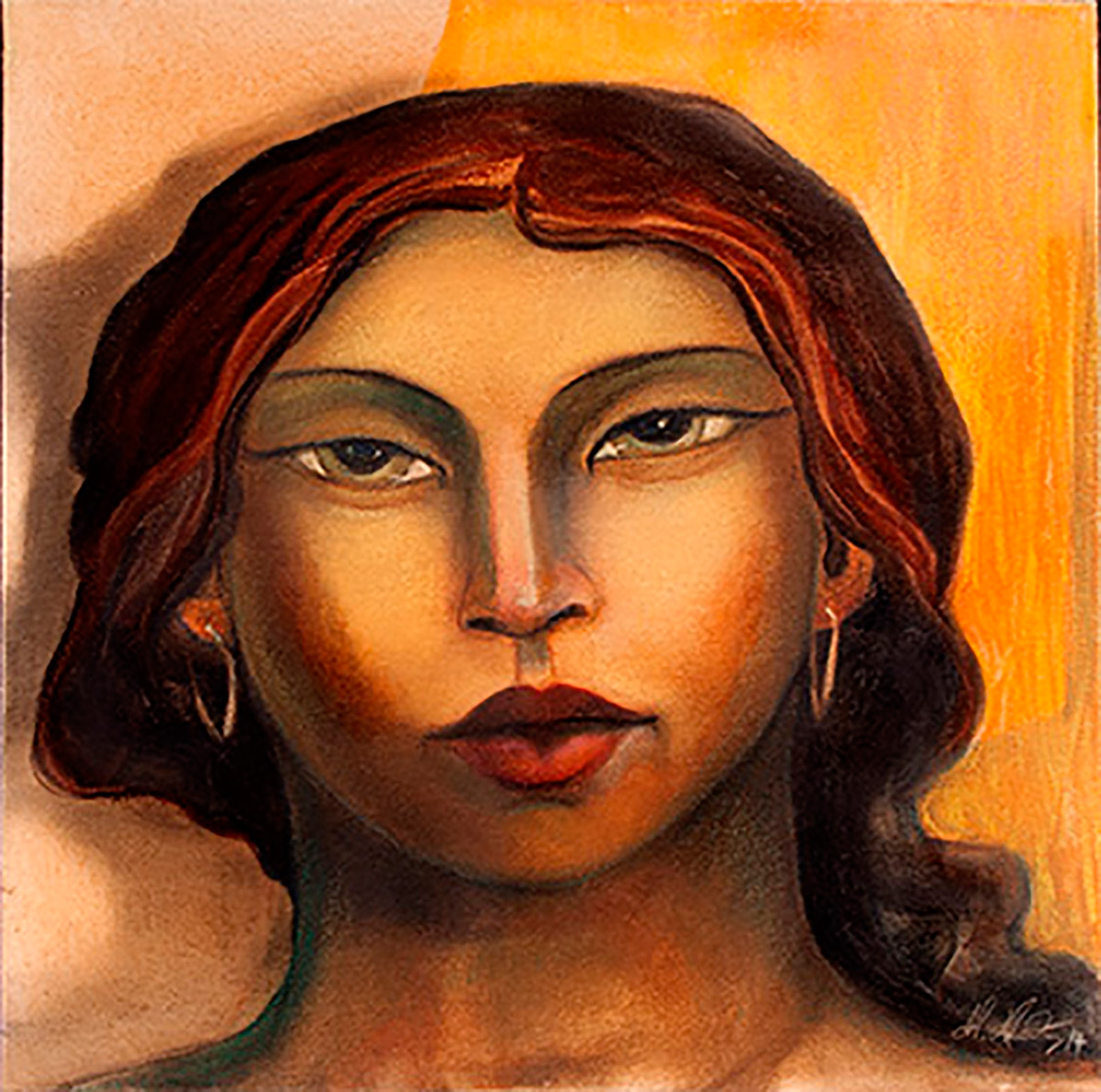
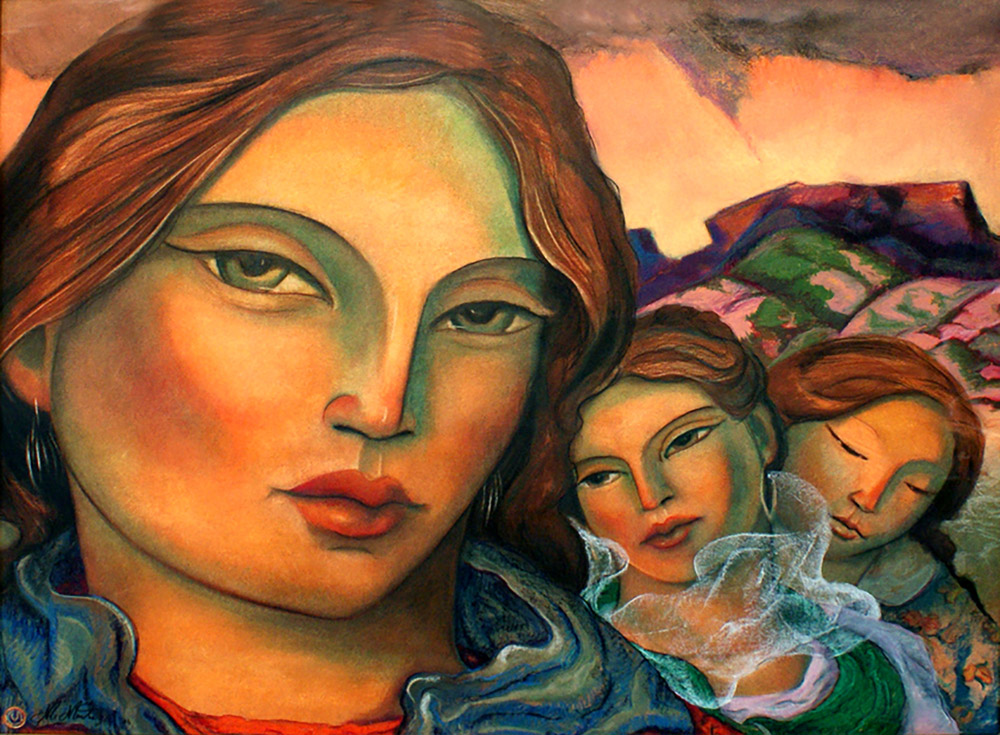
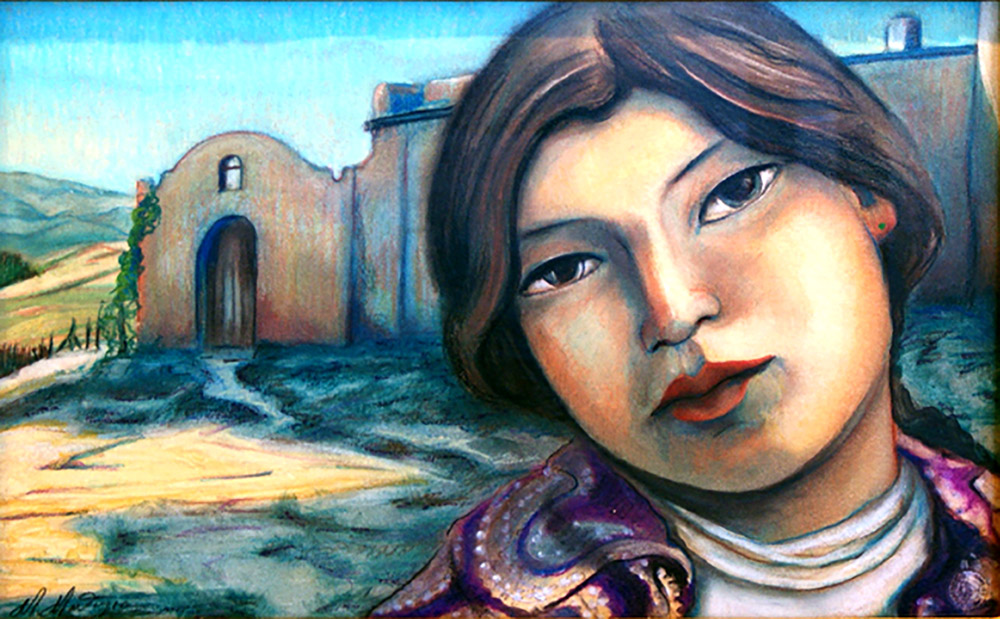
Martinez does not necessarily create the women he paints from his imagination.
He draws from the sea of life around him, capturing the woman passing
the adobe wall, the woman whispering to her friend, the woman following
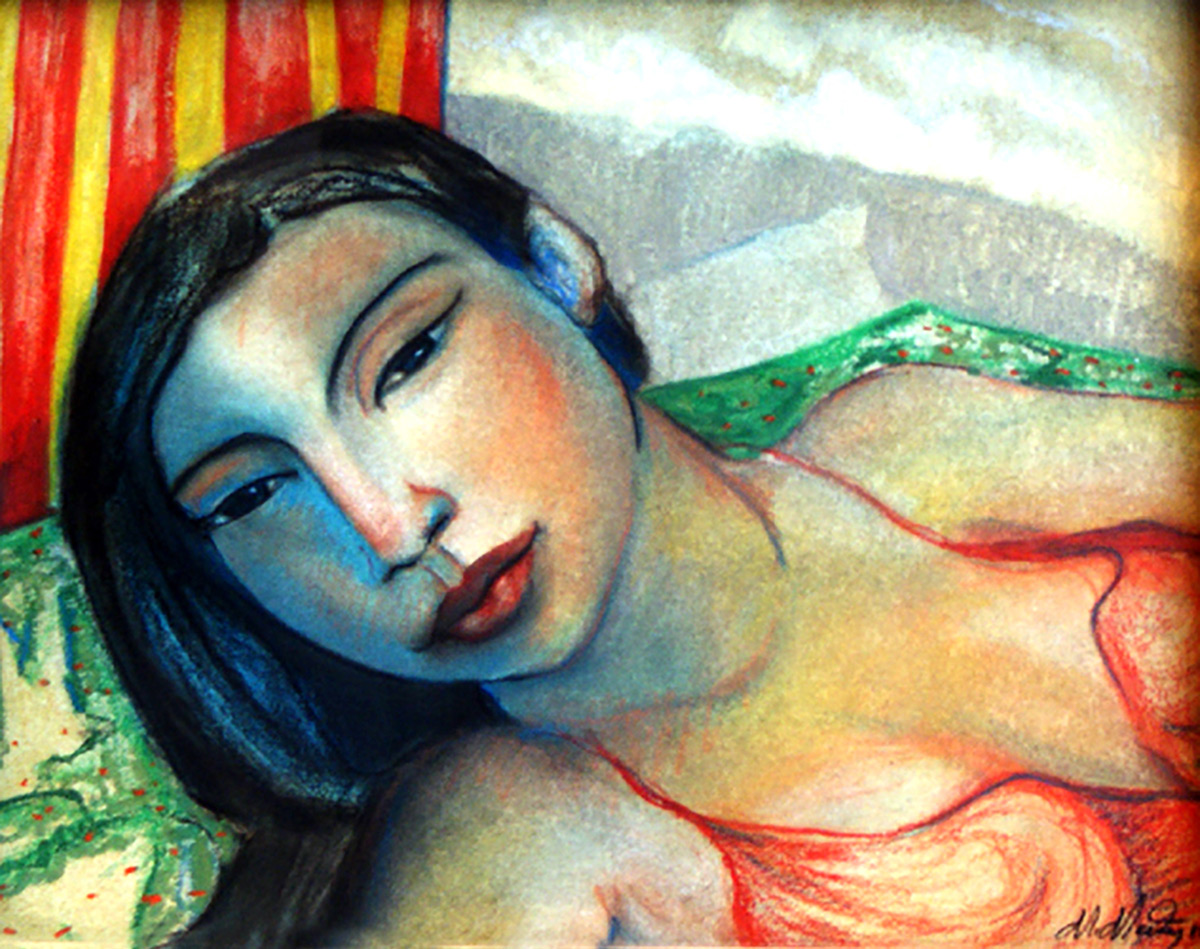
the road to Abiquiu. He paints the women gathering in autumn or pausing
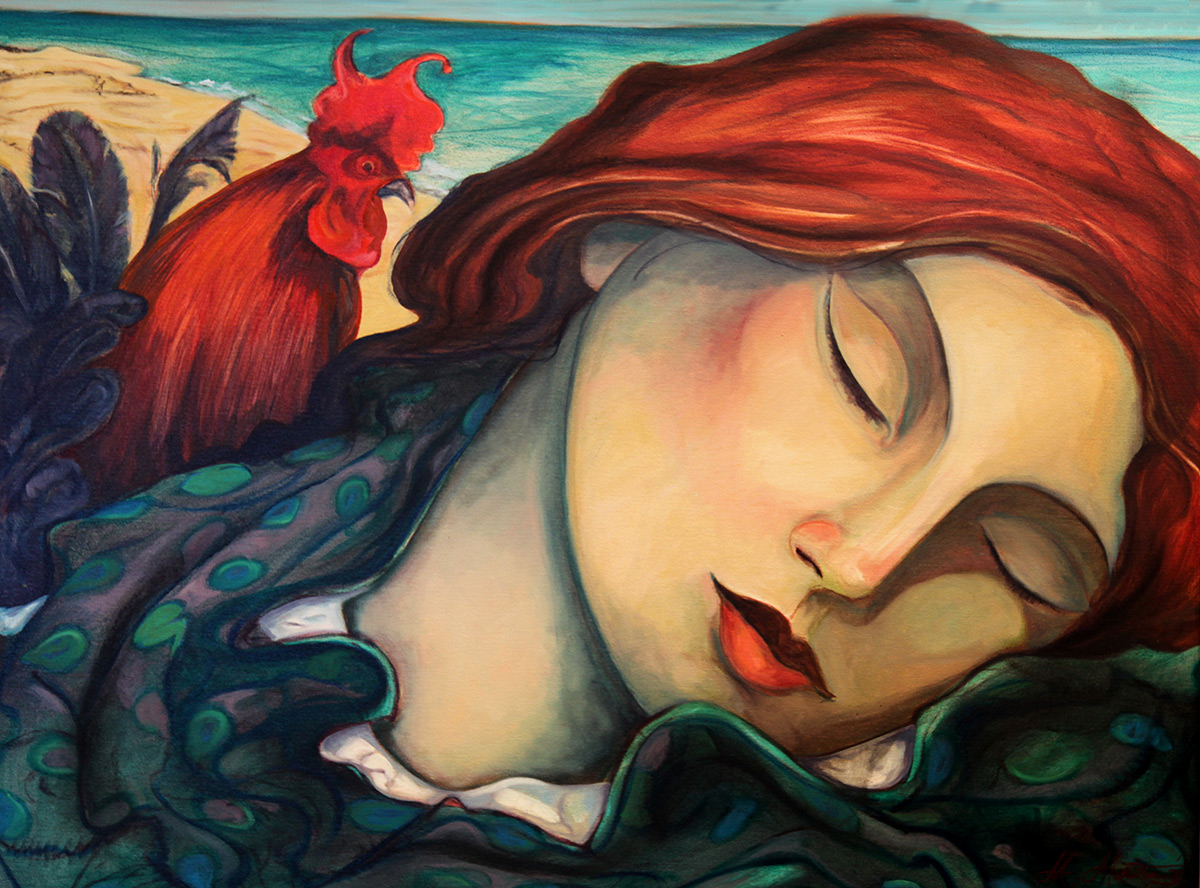
on the mesa, women sleeping or dancing or dreaming. They catch in his
glance, reappear in his mind's eye and manifest in the weave of his
canvas.
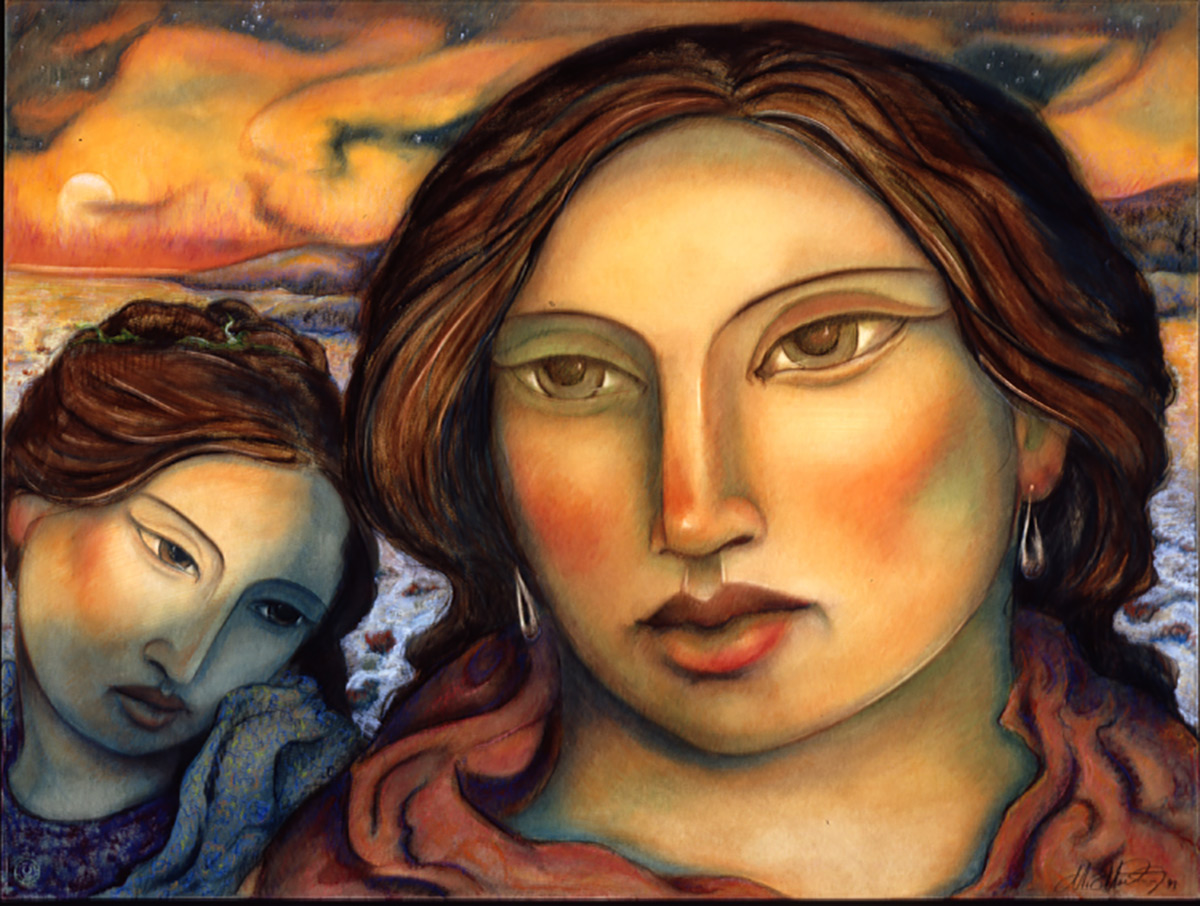
While Martinez has painted the faces of women consistently throughout
his career it would be inappropriate to consider the subjects in his
paintings 'Martinez women.' They exist, as all good poetry does, beyond
the master's touch. The girls of Galicia, the women by the sea, the
women in friendship, in red, in winter all betray their eternities in
a fleeting moment. Their gestures express life's mysteries as they lower
a translucent fan in invitation, encourage the wind to wrap a delicate
lace across an exquisite cheek or full red lip. They beckon and romance
and compel and becalm. And, as they slowly overwhelm the viewer's senses,
they begin to reveal their secrets.
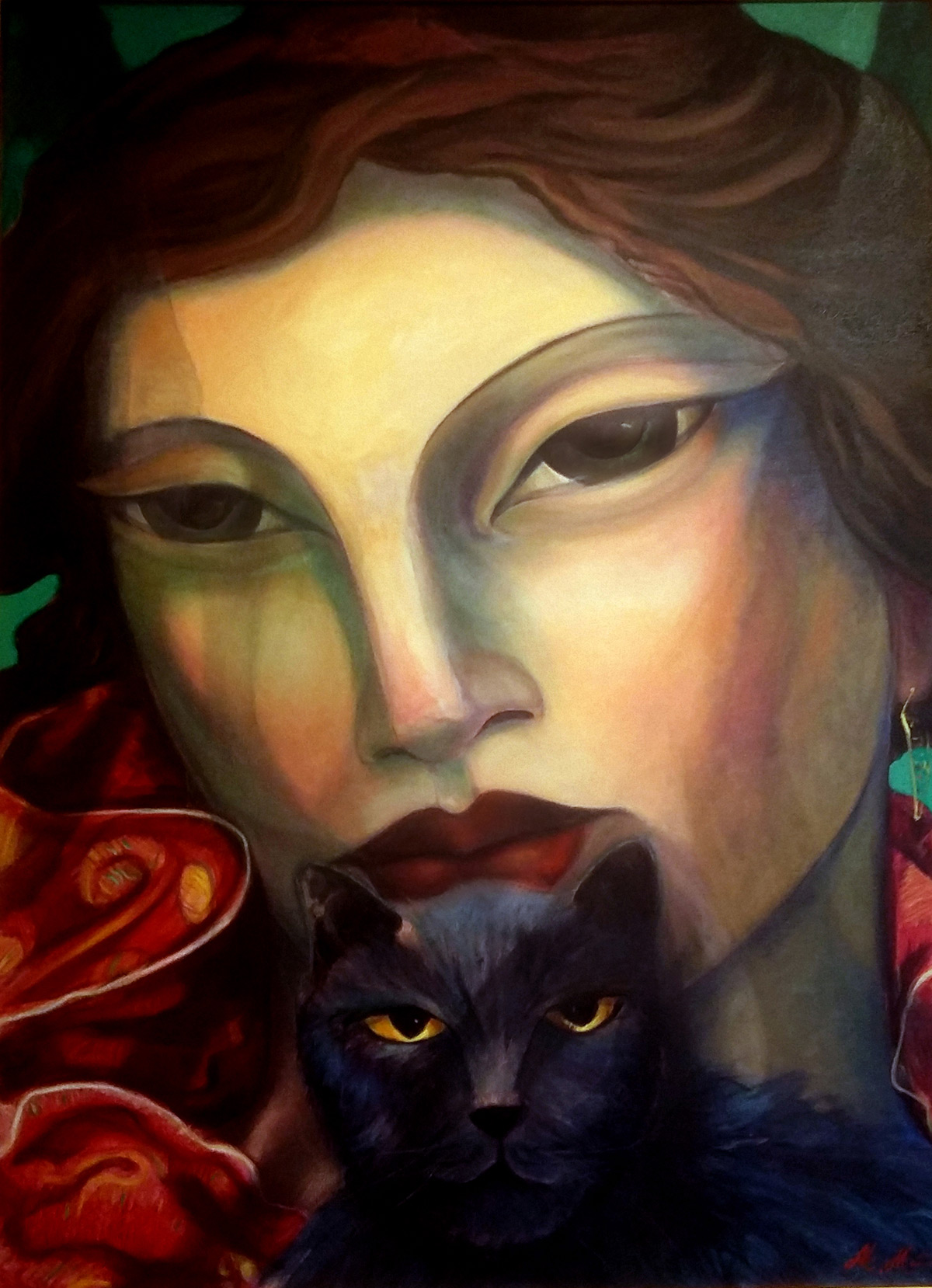
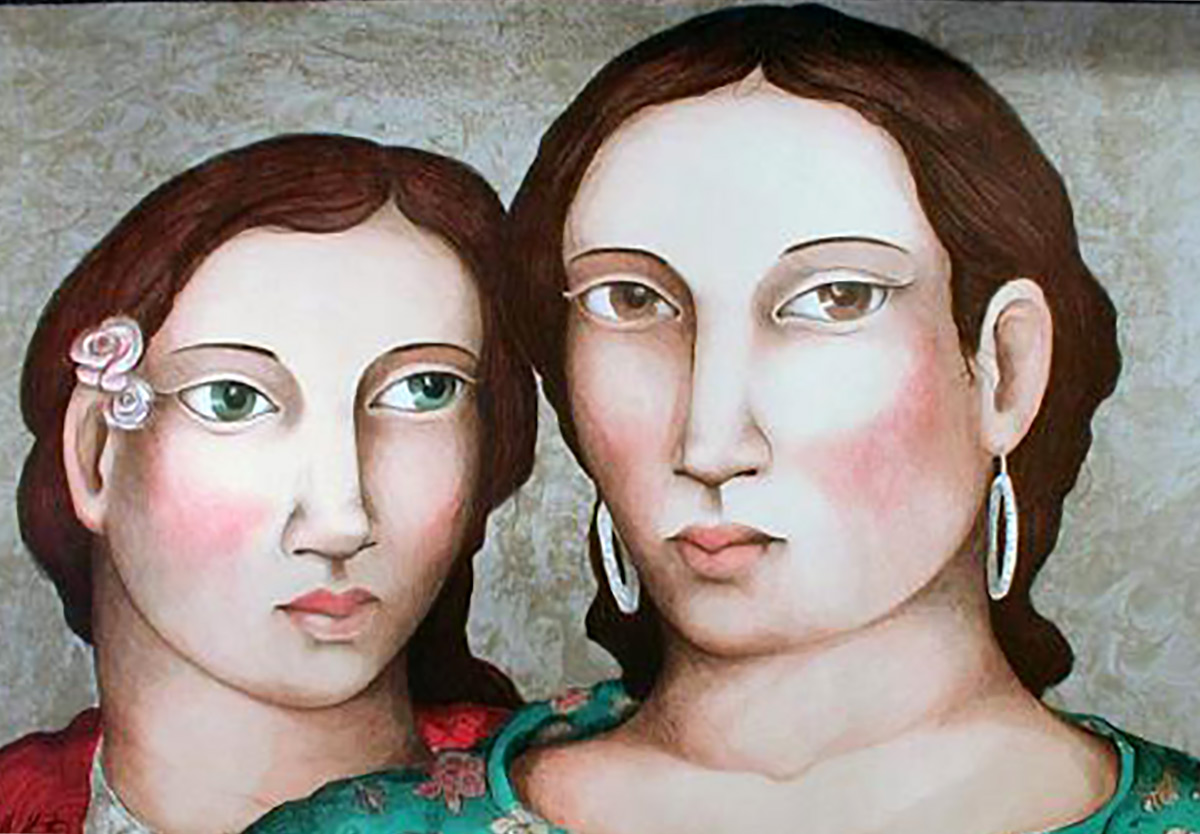
"You know her story by the expression she wears," explains
Martinez. "These women are concerned with family life, their children,
their sisters, friends...they also dream of people that at one time
crossed their paths...."
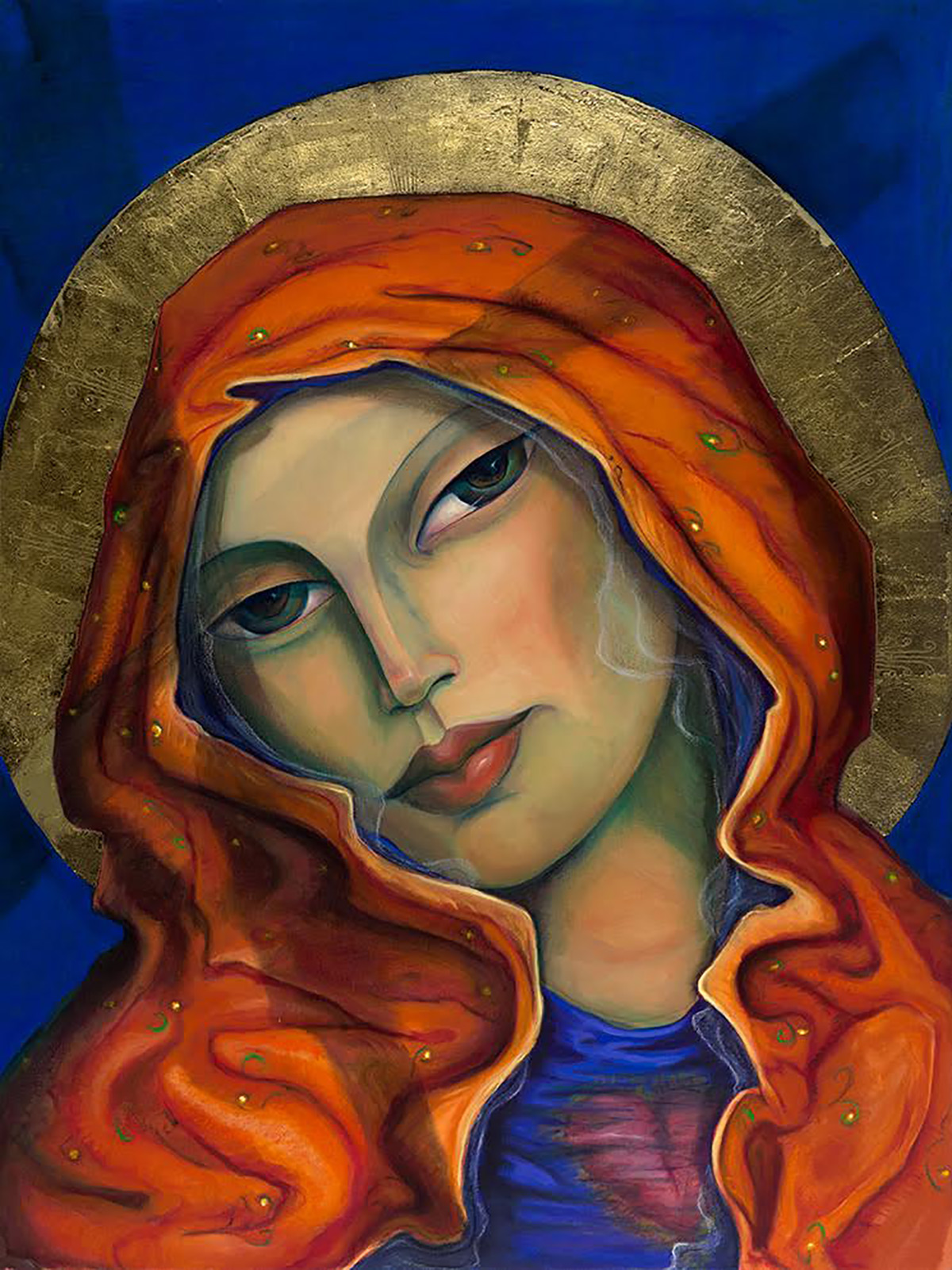
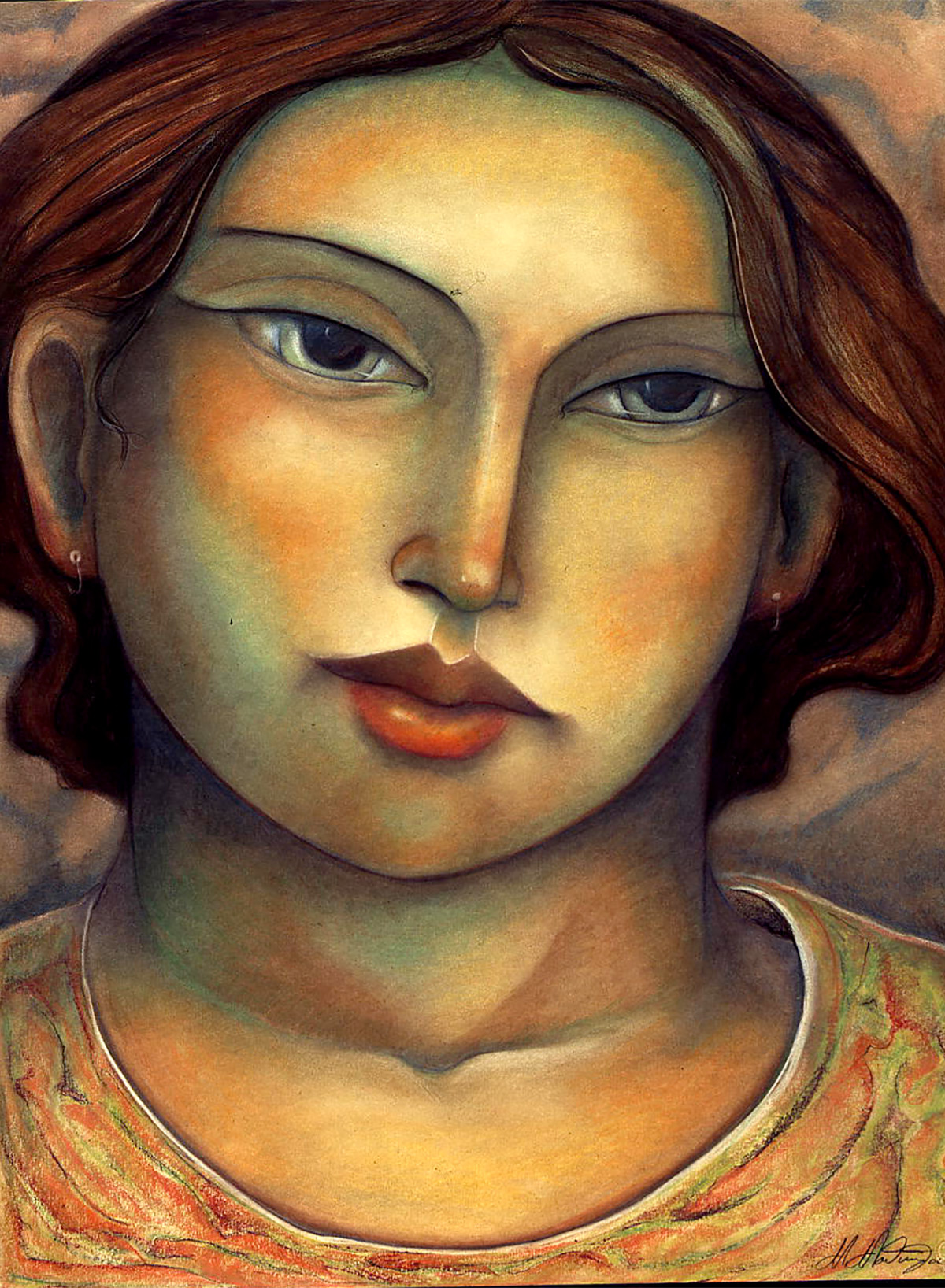
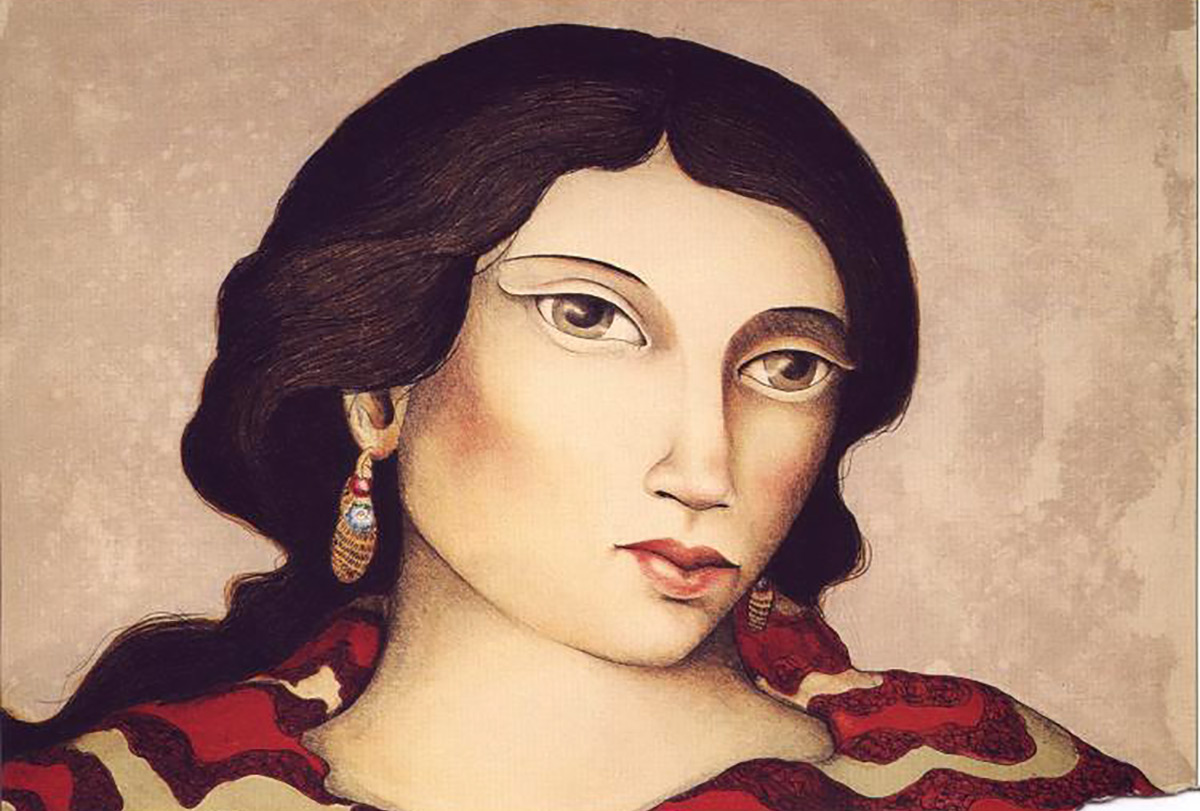
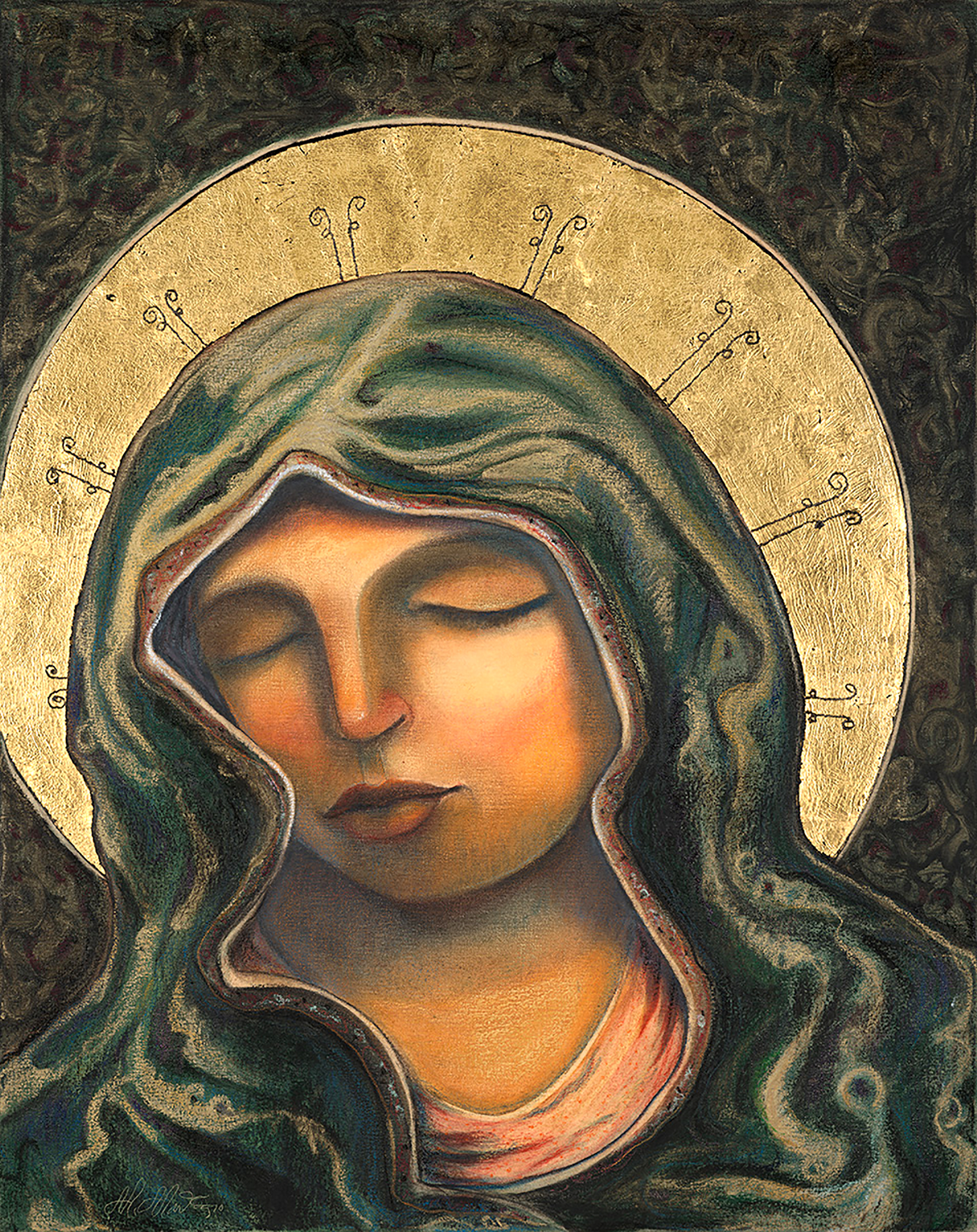
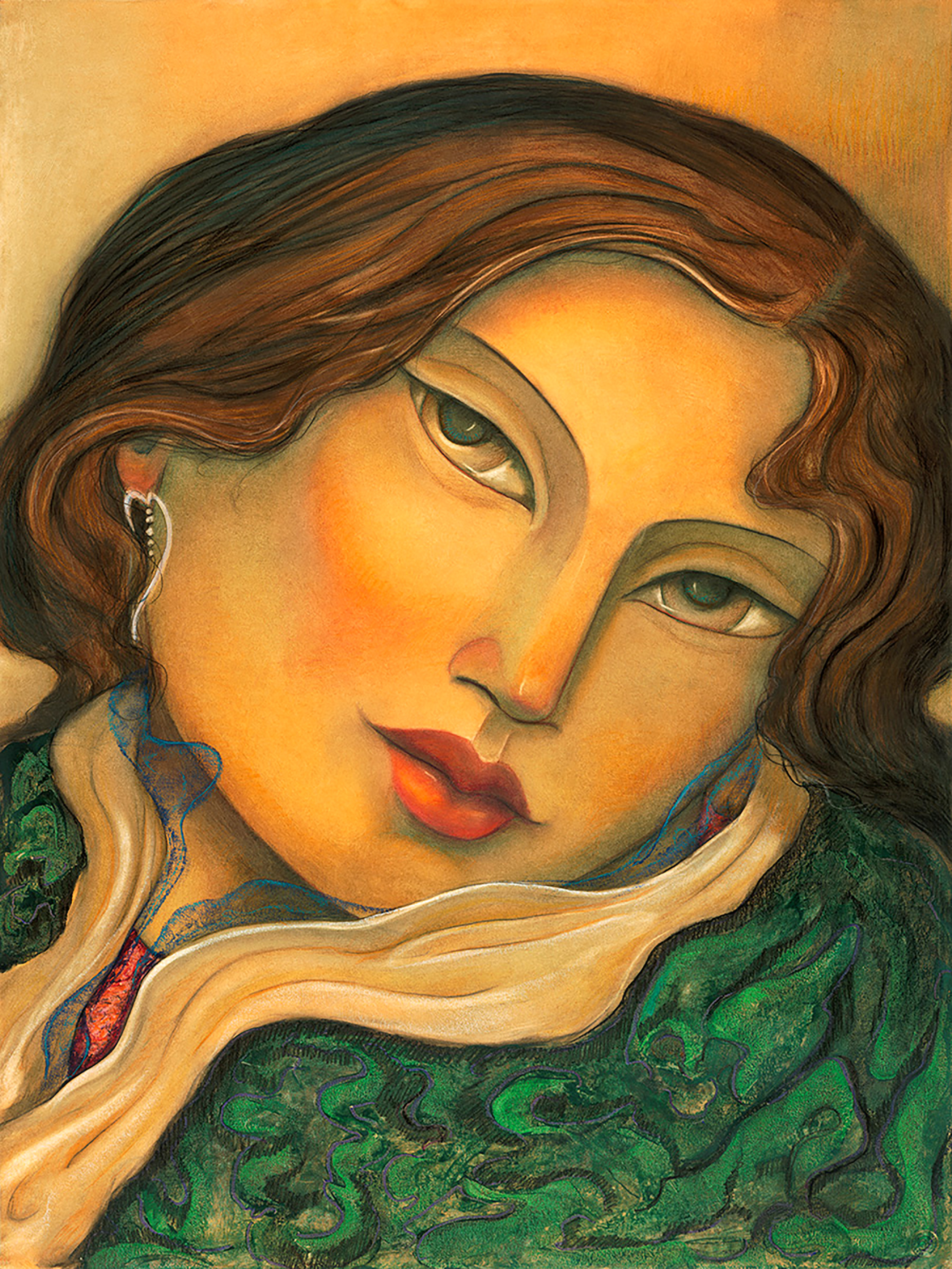
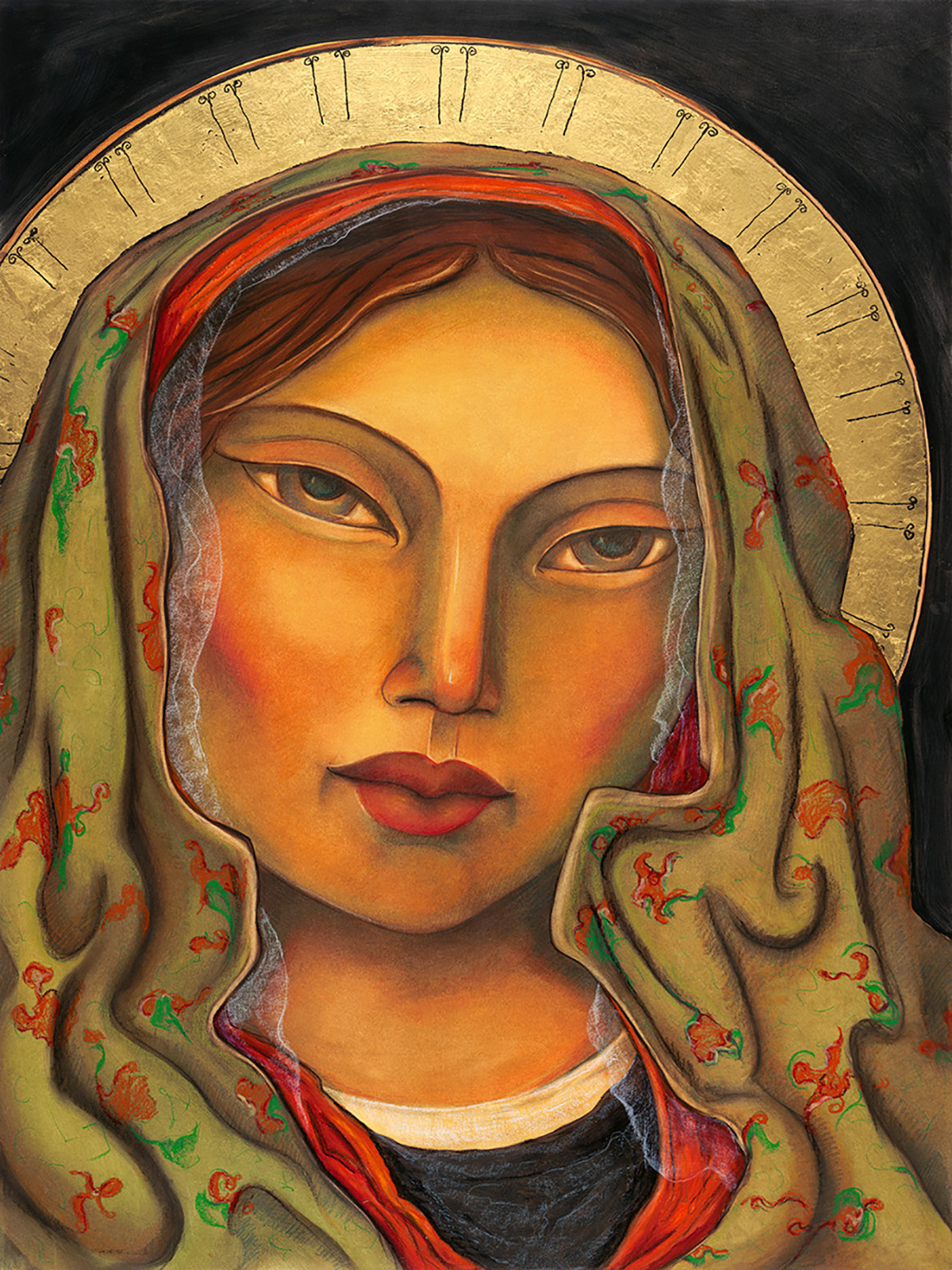
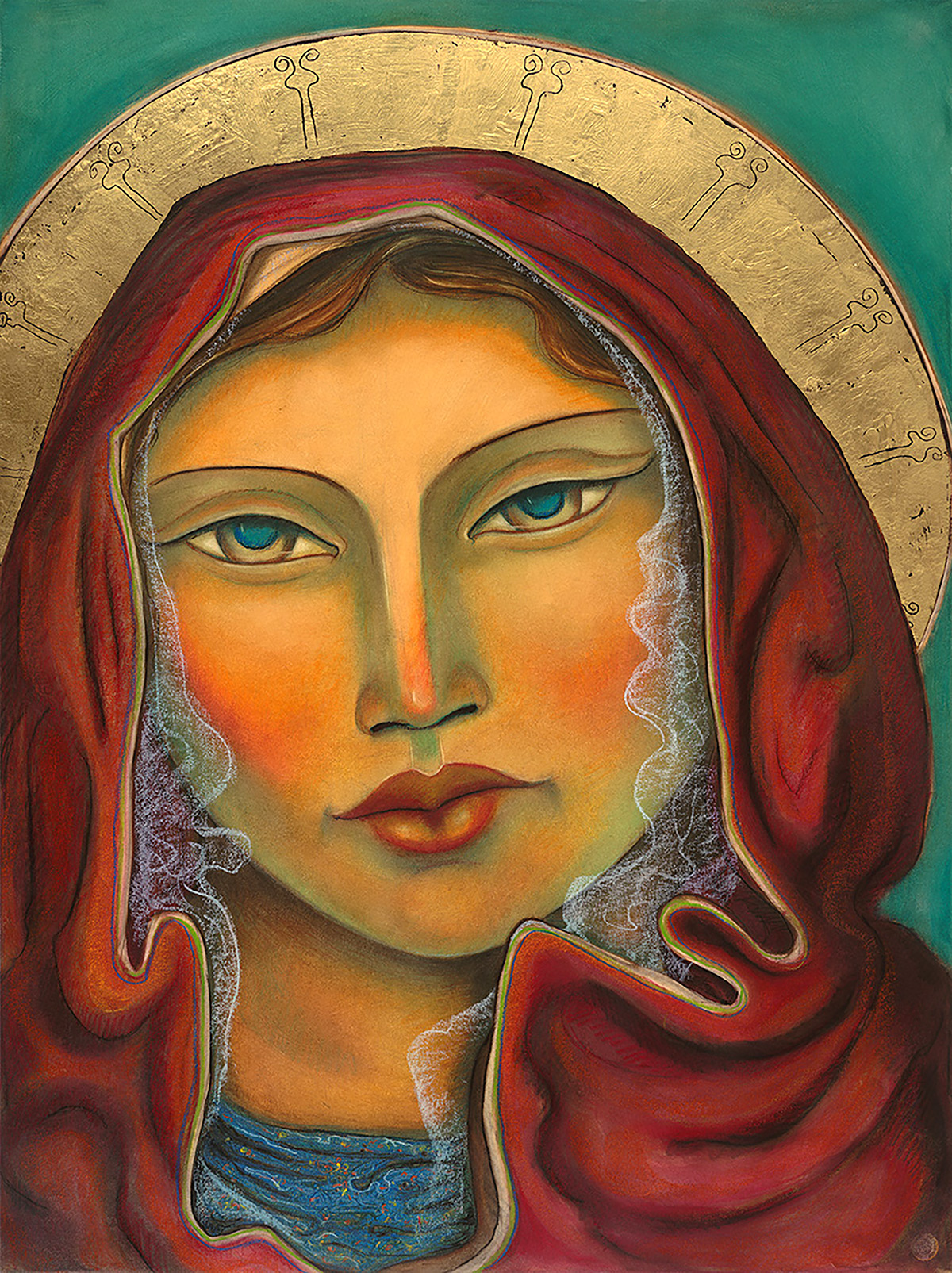
Whether saints or seductresses, mothers or lovers, the women in the
Martinez ocuvre are both iconic and accessible. The allure of his work
is also in his remarkable ability to create and include elements that
are at once mundane and imbued with meaning. A simple ivory earring,
the slender weave of a shawl, an open window, leaves on silk or the
sage bloom of a New Mexican valley all seem to spring from the psyche
of his female subjects. When Martinez adds a golden aspen or the swirl
of an indigo veil to the painting it appears as if his subject desires
it to be so. These subtleties are touchstones, not to the world beyond,
but to a woman's internal narrative. Martinez understands that these
are the things that, in the end, defe character and depth and the gentle
succor of lifethe simple, personal talismans.
"Once you've known and loved something or someone," Martinez
reveals, "it becomes a part of you no matter what happens externally."
It is difficult to imagine Martinez without the women he paints. This
singular focus in his art has served him well through the years and
continues to bring him acclaim and new collectors. It also provides
him with a departure point each time he confronts a new canvas. And
it is through these confrontations that, despite the recitation, Martinez
constantly proves his mettle. His ability to champion his subject repeatedly
by bringing a fresh and often elegant revelation to each piece is truly
the tidemark of a master. Just as Monet had his steeples and haystacks,
Martinez gives the world beautiful women.
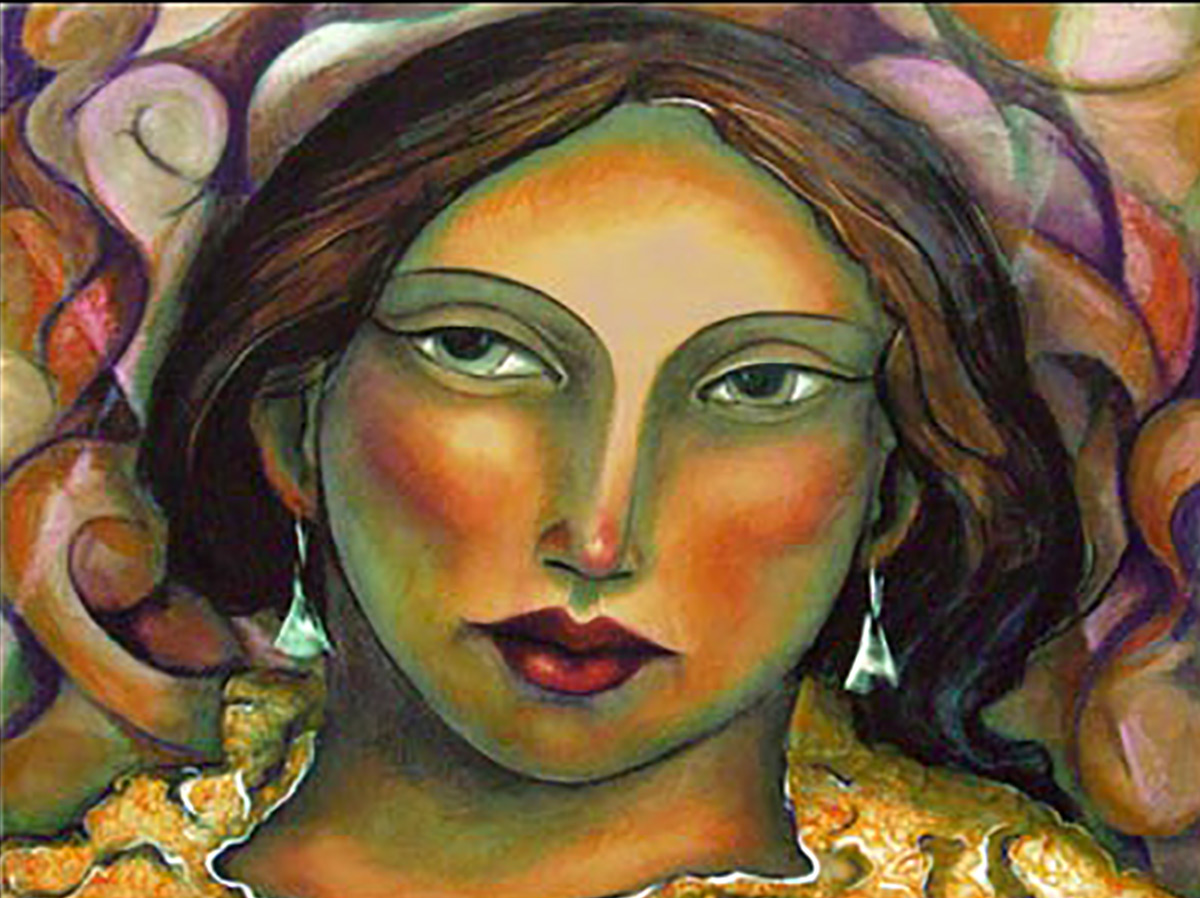
Yet, beyond his sense of color or narrative or texture, Martinez exhibits
the masterstroke. Examining a Martinez canvas or work on paper exposes
a surety and confidence in each connection the artist makes with his
surface. No movement is wasted, no frivolity occurs. Martinez is absolute
in every mark he makes. This mastery enables him to invoke a subjective,
emotional epiphany in all his collectors and admirers.
"If you do not experience emotions you miss the essence of life,"
Martinez insists. "I want people to live when they look at my paintings.
I want them to experience emotion. Every painting conveys a message
unique to my experience and carries with it a part of my soul."
Despite his craft with the canvas, Martinez perhaps would have experienced
a rockier rise to success had it not been for the creative environs
of Taos. Born a native son to Taos parents, Martinez spent his youth
within an art community of northern New Mexico burgeoning in the late
20th century.
Cash flush and culture conscious, Taos was an ideal environment for
nurturing young prodigies with promise. Exposure to art at an early
age was prerequisite and Martinez, with a natural edge for the creative
life, took advantage of the resources made available to him. In addition
to his studies with prominent New Mexican artists he attributes the
influences of Rivera, Zuniga, Tamayo, Picasso and Modigliani to his
lust for the picture conjurer's trade. He developed his skill and expertise
through steadfast labor and perseverance. He examined the craft of past
masters and learned from their talents while exploring and honing his
own sense of composition, line and space.
But like all Taos artists, it is the intrinsic nature of the New Mexican
light that overpowers the Martinez palette. "The colors in my work
have always been inspired by my surroundings," Martinez explains,
"the changing seasons, morning, evening, night, that time of day
when the light strikes an adobe wall and casts a beautiful long shadow
across the rich brown earth...."
Martinez spent his formative years exploring many avenues for his creative
expression. But it was his discovery of womentheir mysteries and
illusions, their seductions and provocations, their powers and their
compassionthat has come to mark his true ascension to artistic
distinction.
"The women have changed as time has passed, and I have changed
as well," Martinez confides. "In my travels around the world
the women I have encountered have found their way into my paintings.
Each face I paint, to me, has a different identity.
But I feel that from the beginning they have all shared common bondstheir
values, their characterthings almost forgotten in our day. These
women are upright, strong yet gentle, and proud of who they are. They
have nothing to hide."
It is not surprising that Martinez has continued to answer the call
of his subject throughout the years. As one gazes upon the eyes and
face and countenance of a woman inhabiting a Miguel Martinez canvas,
a realization brightens and an enchantment ensues. And, at last, an
understanding takes hold. It is one that every artist already knowsthat
the song of the muse is sweet, her presence a joy and her gentle bidding
inescapable.
Miguel Martinez is represented by Michael McCormick Gallery,
106C Paseo del Pueblo Norte. A public preview of Miguel Martinez's newest
limited-edition, signed and numbered print is scheduled during the gallery's
annual gala 12/29, 4-8pm. 758-1372 or 800/279-0879. www.mccormickgallery.com.
TAOS MAGAZINE November/December2000
HOME | CONTACT | NEWS
and EVENTS
www.McCormickGallery.com
(800) 279-0879
mail@mccormickgallery.com
All text and images in this web site are copyright ©1998-2000 The
Michael McCormick Gallery.
All artwork featured at this web site is copyright of the respective
artists. Unauthorized reproduction is prohibited.
Prices subject to change.
This site was handcrafted in Taos, New Mexico by BrownRice
Websites
|